
Robocalls in Massachusetts are regulated by state laws and federal regulations like TCPA to protect consumers from fraud. Apps like Honcho and NoCall use AI and user feedback to block unwanted calls. Consumer protection laws empower individuals to take legal action against robocallers, with expert advice from specialized lawyers. Choosing an anti-robocall app should consider blocking methods, data security, and user reviews. Collaborative efforts between lawyers and telecom providers have significantly reduced robocalls in Massachusetts.
In Massachusetts, as across the nation, robocalls have become a pervasive and annoying nuisance. While many people turn to consumer protection laws and legal actions against these automated calls, an increasing number are seeking technological solutions. This article explores the top-rated apps designed to stop robocalls in Massachusetts, delving into their features and effectiveness. We'll discuss the legal framework surrounding robocalls, offer tips on choosing the right app, and present case studies demonstrating successful strategies for combating these unwanted calls, empowering residents to protect themselves from harassing robocallers with the help of technology and the law.
Understanding Robocalls and Their Legal Framework in Massachusetts

Robocalls, automated phone calls that deliver recorded messages, have become a widespread nuisance across the nation, including Massachusetts. While some robocalls promote legitimate services or organizations, many are used for fraudulent purposes, such as telemarketing, debt collection, and identity theft attempts. In Massachusetts, these unsolicited calls are regulated by state laws designed to protect consumers from harmful practices.
The Telephone Consumer Protection Act (TCPA), a federal law, also applies to robocalls in Massachusetts. It restricts the use of automated dialing systems and prerecorded messages for telemarketing purposes without prior express consent from recipients. Furthermore, the Massachusetts Attorney General's Office actively enforces laws against robocallers, holding them accountable for violations that include unauthorized calls, misrepresentations, and aggressive collection tactics. Individuals experiencing excessive or harassing robocalls may seek legal assistance from a lawyer specializing in robocall laws to understand their rights and take appropriate action.
Top Apps for Tracking and Blocking Robocalls

In today's digital era, robocalls have become a persistent nuisance, with many residents in Massachusetts experiencing an influx of unsolicited calls from telemarketers and scammers. Fortunately, numerous top-rated apps are available to help track and block these unwanted calls. These applications leverage advanced algorithms to identify and filter out robocalls, ensuring a quieter and safer communication environment for users.
One of the leading apps in this category is Honcho, which offers robust call blocking and tracking features. With its sophisticated AI-driven technology, Honcho can learn from your interactions and accurately distinguish between legitimate calls and robocalls. Additionally, it provides valuable insights into calling patterns, allowing users to take informed actions against persistent telemarketers. Another notable mention is NoCall, a user-friendly app that connects you with a lawyer for robocall laws in Massachusetts if needed, while effectively blocking unwanted calls from known telemarketing numbers and scam artists.
The Role of Consumer Protection Laws in MA
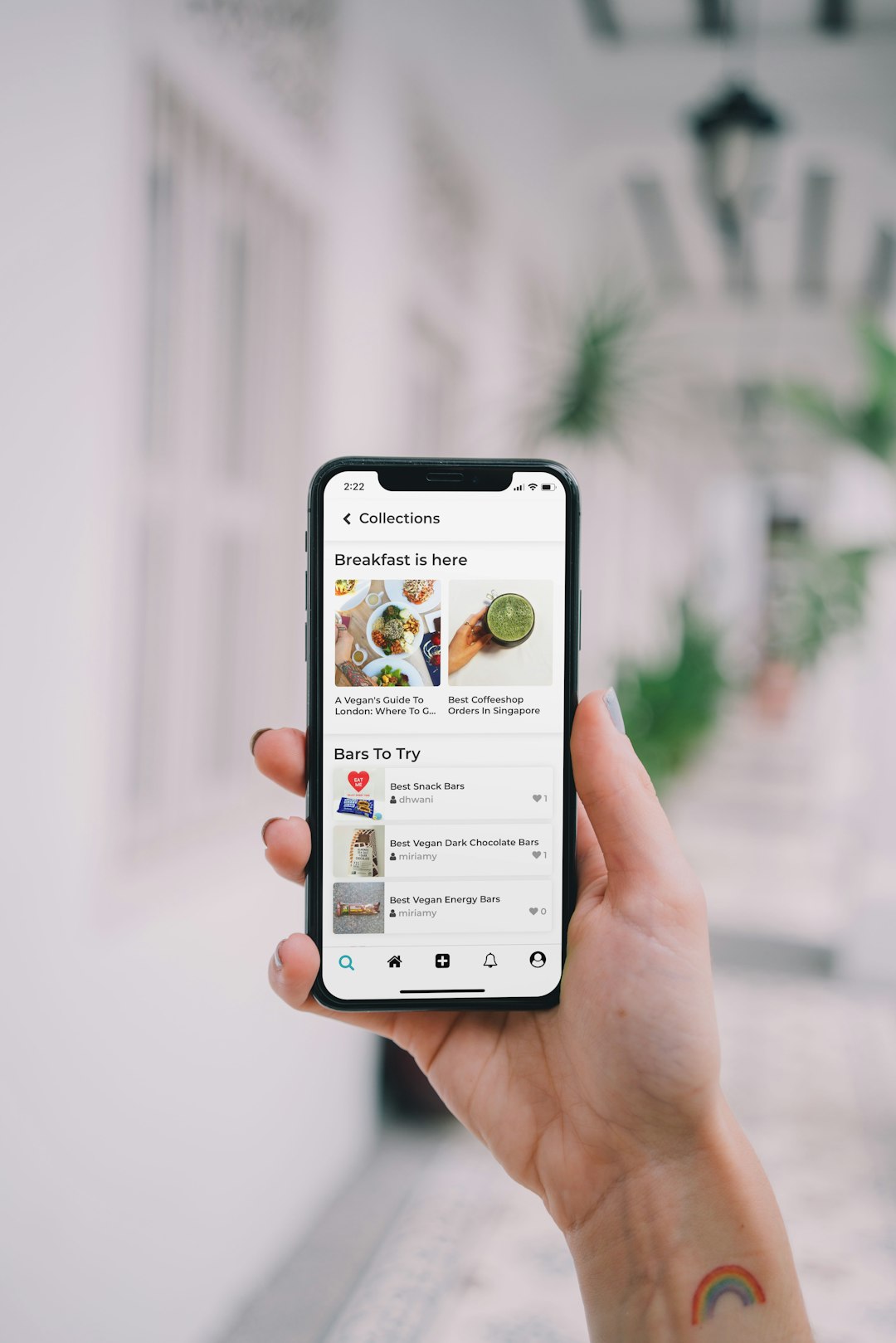
In Massachusetts, consumer protection laws play a crucial role in mitigating the issue of robocalls. The state's regulations are designed to safeguard residents from unwanted and fraudulent phone calls, empowering them to take action against perpetrators. If you've been a victim of persistent or deceptive robocalls, consulting a lawyer specializing in robocall laws in Massachusetts can be beneficial. These legal experts can guide you through the options available under state law, which may include seeking damages, blocking future calls, and even holding phone companies accountable for their failure to protect consumers.
Massachusetts has implemented strict guidelines regarding telemarketing practices, with specific rules targeting automated calls. These laws not only restrict certain types of robocalls but also provide avenues for affected individuals to report and address the issue. By leveraging these consumer protection measures, residents can contribute to a safer and more transparent communication environment, ensuring that their privacy is respected and maintained.
How to Choose the Best Anti-Robocall App

When selecting an anti-robocall app, it's crucial to consider several factors to ensure effectiveness in Massachusetts, where a lawyer for robocall can be invaluable. First, check the app's reputation and user reviews; popular choices often have robust features backed by satisfied customers. Look for apps that offer multiple blocking methods, including number screening, AI-driven call identification, and the ability to block specific types of calls like telemarketers or scammer numbers.
Additionally, consider privacy and data security. Reputable apps should provide clear policies on how they handle your call data and ensure your personal information is protected. Some apps also offer additional features like call recording, call history, and customizable blocking lists. These can be beneficial if you're frequently bothered by unwanted calls, especially from aggressive or persistent robocall campaigns.
Case Studies: Successful Robocall Stopping Strategies
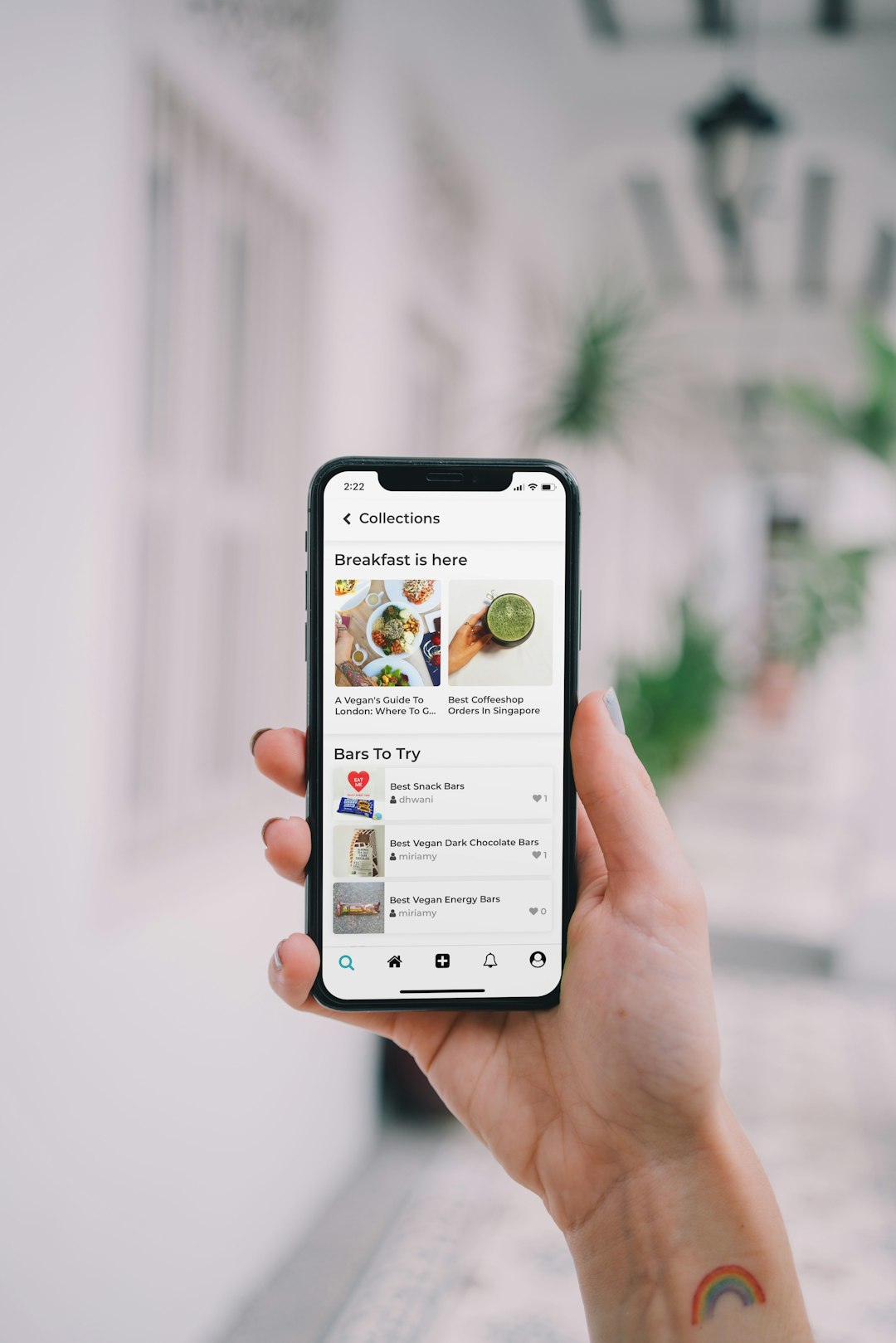
In the ongoing battle against relentless robocalls, several strategies have proven effective in Massachusetts. One successful approach involves a combination of robust legal actions and advanced technology. For instance, a recent case study highlighted a Massachusetts-based lawyer who initiated class-action lawsuits against major telemarketers known for inundating residents with unwanted calls. This dual strategy—legal deterrence and technological blocking—has significantly reduced robocall volumes in the state.
Additionally, local telecom providers have embraced innovative solutions like call authentication and advanced filtering systems. These measures ensure that legitimate calls reach their intended recipients while swiftly discarding fraudulous ones. Such collaborations between legal experts and tech innovators offer a comprehensive strategy for Massachusetts residents to reclaim their communication channels from pesky robocalls.