Robocalls, driven by fraud and identity theft, plague Massachusetts residents. The Federal Trade Commission (FTC) highlights the challenge of distinguishing legitimate from malicious calls. Strict state laws, like the Massachusetts Telemarketing Act, and federal guidelines aim to protect consumers. Residents are advised to use reputable call-blocking apps, be vigilant about sharing personal information, and consult a robocall lawyer Massachusetts for legal recourse. Advanced blocking apps and legal guidance offer multi-layered defense against unwanted calls, emphasizing proactive security measures. The Telephone Consumer Protection Act (TCPA) provides significant protections; consulting a robocall lawyer Massachusetts helps residents assert their rights and mitigate harassment.
In today’s digital age, phone security has become a paramount concern for folks across Massachusetts. With an unprecedented surge in robocalls, many residents are left vulnerable to scams, identity theft, and privacy breaches. These automated calls, often illegal, can be relentless, prompting the need for robust solutions. To combat this growing issue, we delve into the world of robocall blocking apps as a game-changer for Massachusetts residents’ phone security. This article explores how these innovative tools work, their effectiveness against shady robocall lawyers and other intruders, and why they’re an essential addition to your digital defense arsenal.
Understanding Robocalls and Their Impact in Massachusetts

Robocalls, automated phone calls from unknown numbers, have become a pervasive nuisance across Massachusetts, as they do in many states nationwide. While some robocalls promote legitimate services or organizations, an increasing number are associated with fraudulent activities, causing significant distress to recipients. These unwanted calls often attempt to gather personal information through deceptive practices, posing a serious threat to individual privacy and financial security. According to the Federal Trade Commission (FTC), millions of Americans receive robocalls daily, with many of these calls classified as telemarketing or debt collection attempts. In Massachusetts, where privacy laws are stringent, residents face a unique challenge in distinguishing legitimate calls from malicious intent.
The impact of robocalls extends beyond mere annoyance. They can lead to identity theft, financial loss, and even severe emotional distress, particularly among vulnerable populations such as the elderly. A robocall lawyer Massachusetts notes that these calls often use sophisticated technology to bypass traditional blocking methods, making them harder to regulate. With the rise of voice over IP (VoIP) technology, scammers can easily mask their numbers, further complicating efforts to trace and penalize offenders. This has led to a growing demand for advanced call-blocking solutions and robust legal measures to combat this evolving form of fraud.
To mitigate the harm caused by robocalls, Massachusetts residents are encouraged to stay informed about new blocking technologies and legal protections. Utilizing reputable call-blocking apps that employ advanced algorithms to identify and filter out unwanted calls can significantly reduce the volume of robocalls received. Additionally, consumers should remain vigilant in sharing personal information over the phone and be wary of unexpected or suspicious calls. Consulting with a robocall lawyer Massachusetts can also provide valuable guidance on protecting one’s rights and seeking legal recourse against persistent or malicious callers.
Legal Framework: Robocall Laws and Regulations in MA
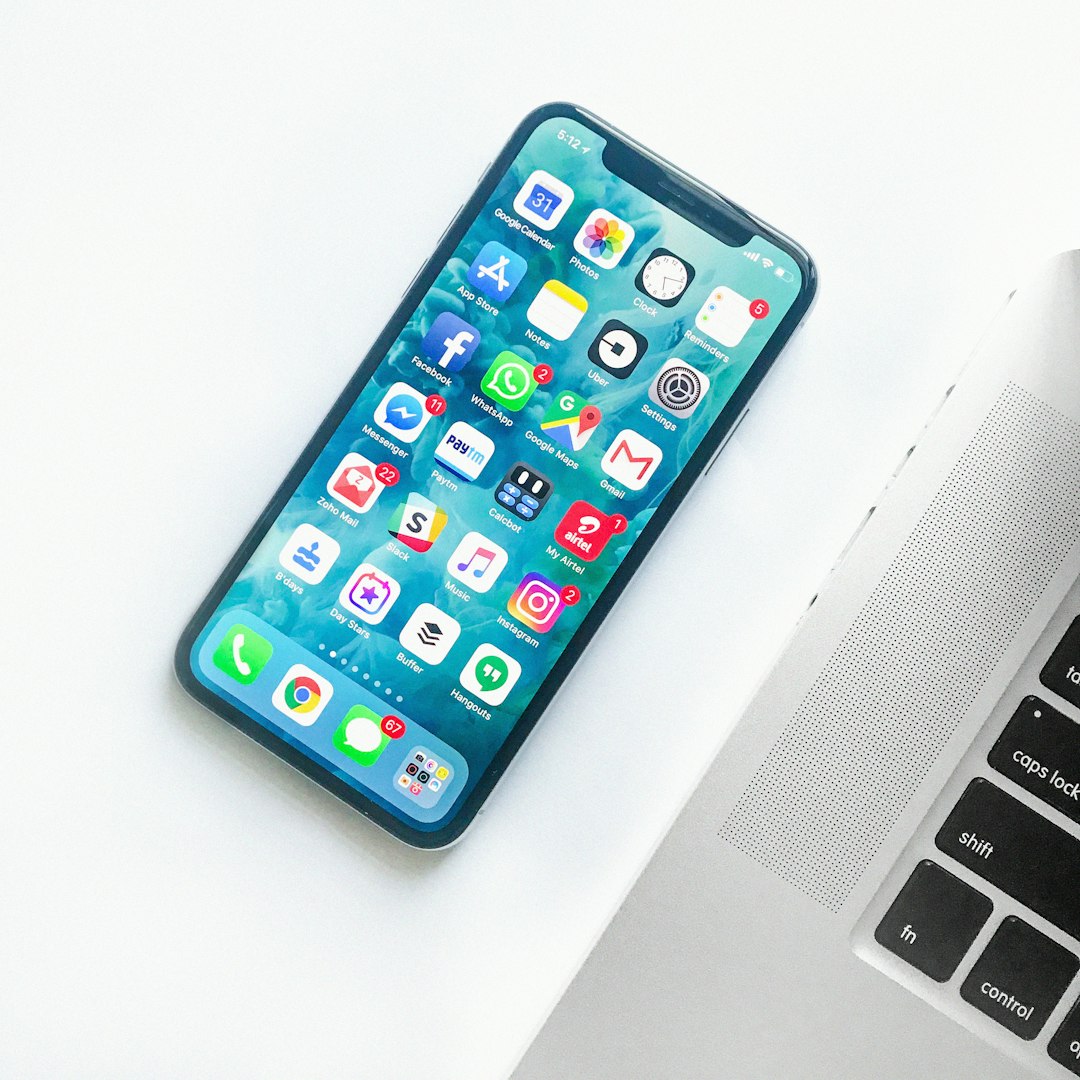
In Massachusetts, the fight against unwanted robocalls has taken on added significance due to stringent legal frameworks designed to protect residents’ privacy and peace of mind. The state’s robust regulations reflect a growing national trend to curb intrusive automated calls, with a particular focus on political and telemarketing robocalls. These laws empower consumers to take control of their phone lines and offer clear guidelines for businesses seeking to engage in such practices.
Key among these is the Massachusetts Telemarketing Act, which provides citizens with powerful tools to combat nuisance calls. The act allows residents to register their phone numbers on the state’s Do Not Call list, effectively blocking most automated marketing calls. Furthermore, it imposes strict penalties on violators, including substantial fines and legal action, ensuring that robocallers face significant consequences for ignoring consumer rights. Massachusetts also follows federal guidelines set by the Telecommunications Act of 1996, which further strengthens protections against unwanted calls, particularly those originating from out-of-state or international sources.
For residents concerned about security, a robust legal framework offers reassurance. Consulting with a robocall lawyer in Massachusetts can provide valuable guidance on navigating these regulations and understanding one’s rights. Legal experts in this field are well-versed in the intricate details of anti-robocall legislation, enabling them to assist individuals in defending against fraudulent or harassing calls. By leveraging the existing legal landscape, Massachusetts residents can take proactive steps to secure their communication channels and mitigate the impact of unwanted robocalls.
Top Robocall Blocking Apps for Massachusetts Residents

Massachusetts residents face a persistent challenge from unwanted robocalls, which has led many to seek robust solutions for phone security. In response, several top robocall blocking apps have emerged as powerful tools to combat this nuisance. These applications leverage advanced algorithms and databases to identify and block malicious calls, providing much-needed relief for consumers. According to a recent study by the Federal Trade Commission (FTC), robocalls account for over 70% of all calls in the US, with many targeting Massachusetts residents. This surge has prompted a growing interest in privacy protection measures, including the use of blocking apps.
One notable app gaining traction among Massachusetts users is Robocall Block, known for its sophisticated call filtering technology. The app utilizes machine learning to adapt and improve over time, ensuring higher accuracy in blocking unwanted calls. For instance, it can identify and block political robocalls, telemarketing calls, and even scam artists known for their relentless efforts to reach potential victims. Another highly regarded option is Call Shield, which offers not only blocking capabilities but also comprehensive call analytics. This app provides users with insights into the types of robocalls they receive, allowing them to make informed decisions about protecting their privacy.
When choosing a robocall blocking app, Massachusetts residents should consider factors like ease of use, customization options, and integration with existing security measures. A robocall lawyer Massachusetts can offer valuable guidance on selecting the most effective tools while also advocating for stricter regulations to combat the rising tide of unwanted calls. By combining robust apps with legal advocacy, individuals can significantly enhance their phone security and enjoy a more peaceful communication experience.
How to Choose the Best Security App for Your Needs

Choosing a robocall blocking app in Massachusetts is a strategic move towards fortifying your phone security against unwanted intrusions. With numerous options available, it’s crucial to assess your specific needs and preferences. Consider factors like call filtering methodologies, integration with existing security measures, user privacy policies, and compatibility across devices and operating systems.
For instance, some apps employ machine learning algorithms to adaptively learn and block new robocall patterns, while others rely on extensive databases of known fraudulent numbers. Advanced apps might offer additional features such as automated call reporting, visual caller ID enhancements, or even callback services for missed calls from verified sources. For enhanced security, opt for apps that seamlessly integrate with your existing antivirus software or privacy-focused browsers.
Data from consumer protection agencies reveals a consistent rise in robocalls, emphasizing the evolving nature of these scams. A reputable robocall lawyer Massachusetts can attest to the importance of proactive measures like using robust security apps. By selecting an app tailored to your requirements, you create a multi-layered defense mechanism that not only blocks intrusive calls but also provides valuable insights into emerging call scam trends. Regular updates and reviews of such apps are essential to stay ahead of malicious actors who continuously adapt their tactics.
Consulting a Robocall Lawyer Massachusetts: Rights and Options

In Massachusetts, as across the nation, robocalls have become a pervasive nuisance, with millions of unwanted calls flooding phone lines daily. While many consumers turn to blocking apps for protection, understanding your legal rights and options is crucial. Consulting a robocall lawyer in Massachusetts can provide expert guidance on navigating these intrusive calls and enforcing your privacy rights.
The Telephone Consumer Protection Act (TCPA) offers significant protections against automated telemarketing calls, including robocalls. A robocall lawyer in Massachusetts can help you determine if a call was made without your consent, which is a key element in TCPA violations. Examples of unfair practices include pre-recorded messages left without permission or calls using auto-dialers that exceed certain parameters. If you’ve received such calls, there are options available to take action.
Seeking legal counsel from a robocall lawyer Massachusetts can help consumers assert their rights and seek compensation for damages incurred due to harassing or deceptive robocalls. These experts can guide you through the process of filing a complaint with state and federal agencies, as well as represent you in court if necessary. By understanding your rights and working with qualified legal professionals, Massachusetts residents can take proactive steps to mitigate robocall harassment and enhance their phone security.