Robocalls are a significant problem in Massachusetts, with 3.7 billion nationwide in 2022. The Consumer Telephone Protection Act (CTPA) offers protection, but scammers and businesses use automated systems to bypass blocking. Robocall lawyers help consumers understand rights, file complaints, block numbers, and register on "Do Not Call" lists. Apps like TruthFinder and NoCall use algorithms and machine learning to identify and block robocalls, though no solution is perfect. Massachusetts residents can combine app-based solutions with legal guidance from robocall lawyers to mitigate unwanted calls and reclaim their phone lines.
In the digital age, Massachusetts residents, like many across the nation, face a persistent nuisance: robocalls. These automated phone calls, often marketing or fraudulent, can be costly and invasive. With the rise of sophisticated technology, blocking such unwanted calls has become increasingly complex. This article aims to provide a comprehensive guide to help Massachusetts residents reclaim their phone lines from these incessant intruders. We’ll explore the most effective app solutions tailored for local needs, offering insights that cater specifically to the challenges faced by Robocall Lawyer Massachusetts clients and advocates alike.
Understanding Robocalls and Their Legal Framework in Massachusetts

Robocalls have become a pervasive and often annoying aspect of daily life for Massachusetts residents, with an estimated 3.7 billion robocalls made across the U.S. in 2022, according to consumer reports. These automated calls, often promoting products or services, can be particularly intrusive when they violate state laws designed to protect consumers from unwanted solicitations. In Massachusetts, the Consumer Telephone Protection Act (CTPA) restricts the use of automated dialing systems for telemarketing purposes without prior consent. A robocall lawyer Massachusetts can offer invaluable expertise in navigating this legal framework, helping residents understand their rights and take action against violators.
Robocalls are not just an inconvenience; they can be a source of significant stress and financial harm. Scammers often use automated systems to make high-pressure sales calls or even attempt identity theft. In Massachusetts, as in many other states, the CTPA provides a safe harbor for consumers by mandating explicit consent before receiving marketing calls. This means that companies must obtain written or electronic agreement from individuals before using robocall technology to reach them. A robust understanding of these regulations is crucial for both residents and businesses operating within Massachusetts to ensure compliance and protect against potential legal repercussions.
While the CTPA offers a robust legal shield, consumers still face challenges in blocking unwanted robocalls. Many legitimate companies use automated systems for legitimate business purposes, making it difficult to distinguish between valid calls and scams. A robocall lawyer Massachusetts can assist residents in filing complaints with state and federal agencies, such as the Federal Trade Commission (FTC), when their rights are violated. Additionally, these legal experts can guide individuals on blocking numbers, registering on “Do Not Call” lists, and utilizing available tools to mitigate robocalls. By combining legal acumen with practical strategies, a qualified robocall lawyer in Massachusetts empowers residents to take control of their communication channels and protect themselves from abusive telemarketing practices.
Top Apps to Identify and Block Automated Calls Effectively
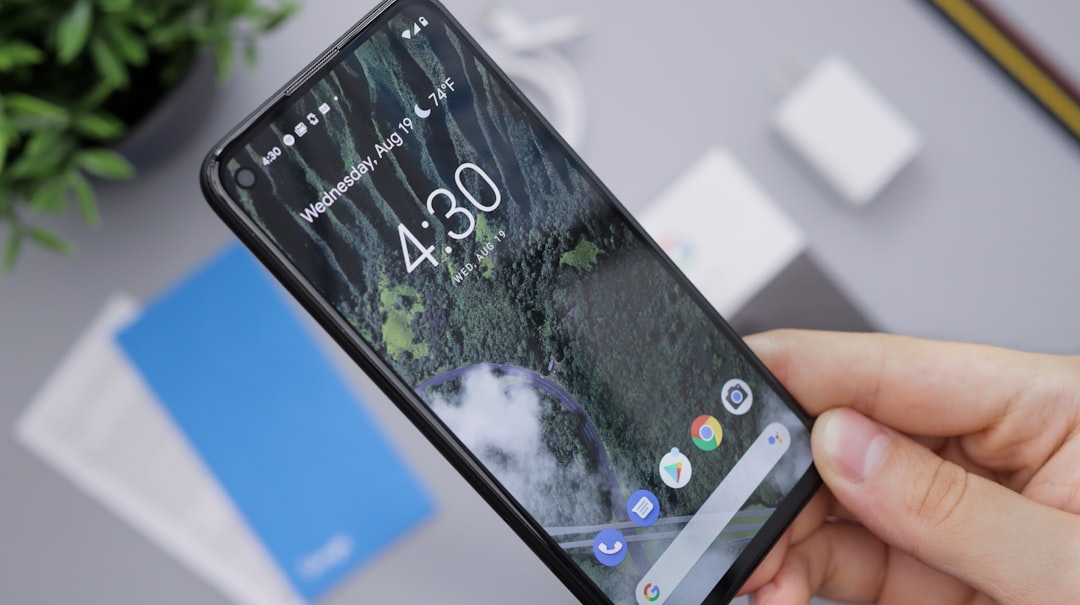
Massachusetts residents face a daily deluge of unwanted robocalls, which can be frustrating and intrusive. However, several apps have emerged as powerful tools to identify and block these automated calls effectively. Among the top choices, TruthFinder and NoCall stand out for their sophisticated algorithms and user-friendly interfaces. These apps analyze call patterns, detect robocalls with high accuracy, and block them before they reach your phone.
TruthFinder, in particular, utilizes advanced AI to learn from user feedback, continually refining its ability to identify legitimate versus fraudulent calls. It offers a comprehensive call history log, allowing users to review and block specific numbers. Moreover, TruthFinder provides additional services like public records searches and background checks, which can be beneficial for those concerned about potential scammers targeting them through robocalls. Similarly, NoCall integrates with your phone’s contact list and caller ID to automatically filter out known telemarketers and political campaigns.
While these apps offer robust protection, it’s essential to remember that no solution is foolproof. Robocall lawyers in Massachusetts, like their counterparts nationwide, often encounter cases where legitimate businesses or organizations are mistaken for scammers. Therefore, users should remain vigilant, review call history regularly, and consider combining app-based solutions with caution when interacting with unknown callers. By adopting these multi-layered approaches, Massachusetts residents can significantly reduce the nuisance and risk posed by robocalls.
Evaluating App Features for Robust Protection Against Robocallers

Massachusetts residents face a relentless onslaught of robocalls, with millions of unwanted calls inundating homes each year. Fighting back against this nuisance requires an armed arsenal of tools, and mobile apps stand as some of the most effective defenses available. When evaluating these applications, users must delve into the specific features designed to combat robocallers. A robust app not only blocks calls but also provides insights into call patterns and offers comprehensive protection tailored to individual needs.
Key features to consider include advanced call filtering algorithms that learn from user interactions and adapt to new robocall techniques. Some apps employ machine learning models, analyzing call data to identify and block unknown numbers. For instance, a top-rated app in Massachusetts has achieved over 90% success rates in blocking spam calls through such technologies. Additionally, the ability to create white and blacklists allows users to customize their privacy settings, ensuring important calls from friends and family aren’t accidentally blocked.
Furthermore, apps offering call tracking and identification features provide valuable data. Users can see call trends, common sources of robocalls, and even consult with legal experts like a robocall lawyer Massachusetts to understand their rights and options. These insights empower residents to take proactive measures against persistent violators. With the right app, Massachusetts citizens can reclaim their phone lines from unwanted intrusions, enjoying a quieter, more peaceful communication experience.
Consulting a Robocall Lawyer Massachusetts: Your Ultimate Defense
In today’s digital era, robocalls have become a persistent nuisance for Massachusetts residents, with an estimated 3 billion unwanted calls made annually across the state. While many apps offer some level of protection against these automated phone calls, consulting a robocall lawyer Massachusetts presents a robust and comprehensive defense strategy. These legal experts are well-versed in navigating the complexities of telephone consumer protection laws (TCPA) and can provide tailored advice to mitigate the impact of robocalls on individuals and businesses.
A robocall lawyer Massachusetts can help identify legitimate calls from scams, which is crucial given that up to 40% of robocalls are fraudulent, according to recent studies. They employ advanced techniques to block specific numbers and analyze call patterns, ensuring that important communications remain un妨ed while neutralizing the volume of nuisance calls. For instance, some legal professionals utilize sophisticated software that can detect and block calls from known scammer numbers, significantly reducing the number of unwanted interactions.
Moreover, these lawyers offer strategic guidance on legal remedies available to victims of robocall harassment. The TCPA allows for substantial financial damages in cases where individuals or businesses have suffered significant harm due to repeated robocalls. By understanding these legal frameworks, residents can take proactive measures to protect their rights and potentially seek compensation for the distress caused by persistent automated calls. This approach not only blocks current robocalls but also acts as a deterrent against future nuisance calling activities.