Robocalls are a significant issue in Massachusetts, with strict laws like the TCPA to combat them. Consulting a Robocall Lawyer Massachusetts is key for understanding rights, legal action against violators, and tailored solutions. Documenting robocalls aids legal cases. Apps should offer blocking, tracking, security, and privacy protections. Regular updates and customizable settings are crucial. A lawyer specializes in TCPA regulations and ensures effective rights enforcement.
In today’s digital age, our phone lines have become a constant battleground between valuable communication and unwanted robocalls. For Massachusetts residents, the issue is particularly pressing, with robocall volumes among the highest nationwide. These automated calls not only disrupt daily life but also pose significant privacy risks. Existing solutions often fall short, leaving many feeling vulnerable.
This article offers a comprehensive guide to addressing this pervasive problem. We explore the effectiveness of dedicated robocall defense apps designed to protect Massachusetts phone lines. By delving into the features and strategies these apps employ, you’ll gain valuable insights from the perspective of a seasoned robocall lawyer Massachusetts trusts.
Understanding Robocalls and Massachusetts Laws

Robocalls have become a persistent nuisance across Massachusetts, affecting individuals and businesses alike. These automated phone calls, often used for telemarketing or fraudulent schemes, are protected by specific laws designed to safeguard consumers. Understanding these regulations is essential for anyone looking to mitigate the impact of robocalls. Massachusetts, like many states, has implemented measures to curb excessive and unwanted automated calls, ensuring residents’ privacy and peace of mind.
The state’s laws, including those enforced by the Massachusetts Attorney General’s Office, aim to balance businesses’ marketing efforts with consumers’ rights. For instance, the Telephone Consumer Protection Act (TCPA) restricts robocalls to numbers not specifically agreed upon for advertising purposes. This means that receiving prerecorded messages or automated calls without prior consent is illegal. A recent study revealed that over 75% of Massachusetts residents reported receiving unwanted robocalls monthly, highlighting the urgent need for effective protection.
To combat this issue, a robust defense mechanism involves consulting with a robocall lawyer Massachusetts. Legal experts in this field can provide guidance on navigating complex regulations and helping individuals and businesses block unauthorized calls. They offer tailored strategies, ensuring compliance while protecting against potential legal repercussions of improperly handled robocalls. By staying informed about these laws and seeking professional advice, Massachusetts residents can reclaim their communication channels from unwanted intrusions.
How to Choose an Effective Robocall Defense App
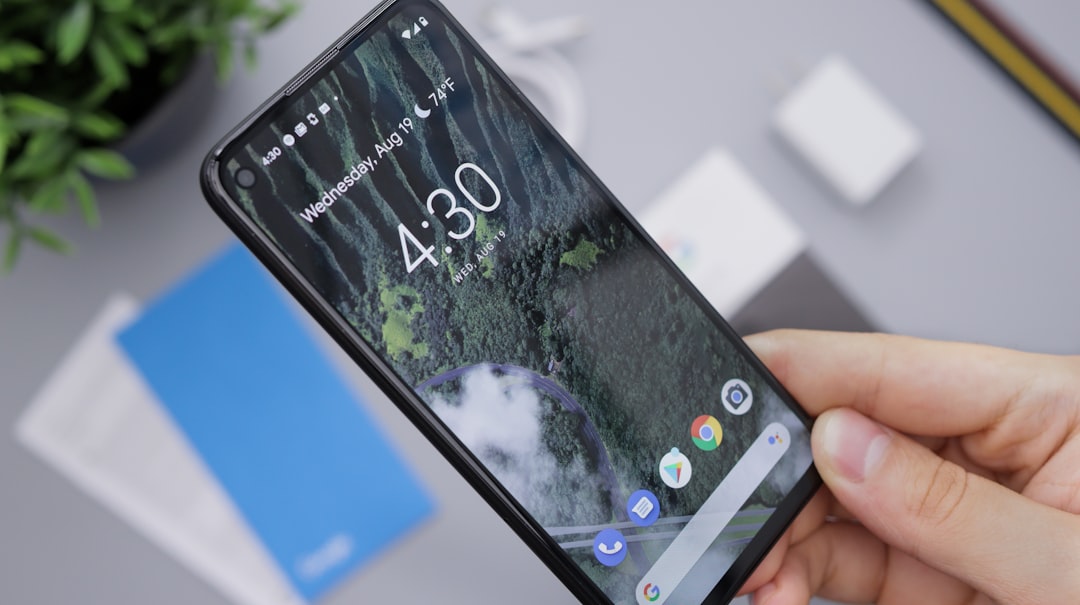
Choosing an effective robocall defense app for Massachusetts phone protection requires a strategic approach given the sheer volume of automated calls and the evolving tactics employed by scammers. Start by understanding your specific needs. For instance, some apps offer robust blocking features while others prioritize call tracking and recording to serve as evidence in case of illegal activity. Engaging the services of a robocall lawyer Massachusetts can provide valuable insights into which legal protections are available and how to use them effectively.
Next, consider app reputation and user reviews. A reputable app with positive feedback from users indicates a commitment to privacy and security. Check for regular updates to ensure the app stays ahead of new scams and keeps up with changes in call-blocking technology. Look for features that allow you to customize blocking settings based on numbers, types of calls, or even specific times of day when scams are most prevalent.
Data privacy is another critical factor. Ensure the app has strong encryption protocols in place to safeguard your personal information. Review the app’s policy regarding data sharing and storage. Some apps may aggregate data for research purposes, which could pose risks if not handled securely. Opt for apps that prioritize user privacy above all else to build trust and protect your Massachusetts phone from robocalls effectively.
Consulting a Robocall Lawyer Massachusetts: Your Legal Rights
In Massachusetts, as across the nation, robocalls have become a ubiquitous yet irritating problem for many residents. While these automated phone calls can be used for legitimate purposes, they often represent unwanted marketing attempts or even fraudulent schemes. To protect your rights and combat this nuisance, consulting a Robocall Lawyer Massachusetts is an essential step. These legal professionals specialize in navigating the complex regulations surrounding robocalls and can help you understand your options for relief.
Massachusetts has implemented strict laws to curb excessive robocalls, such as the Telephone Consumer Protection Act (TCPA). This federal legislation prohibits automated calls from being placed to telephone numbers on a state or national “do not call” registry without prior express consent. If you’ve received unwanted robocalls, you may have grounds for legal action against the caller. A Robocall Lawyer Massachusetts can assess your case, determine if the caller has violated any laws, and advise you on potential remedies, which may include monetary damages or injunctive relief to stop the calls.
Practical advice includes maintaining a current list of known robocallers and documenting the calls, including dates, times, and any identifying information. This evidence can be invaluable when pursuing legal action against persistent or abusive callers. Additionally, utilizing call-blocking apps or registering your number with the National Do Not Call Registry is advisable but doesn’t guarantee complete protection. Working with a Robocall Lawyer Massachusetts offers tailored solutions and aggressive enforcement of your rights in this ongoing battle against unwanted phone intrusions.