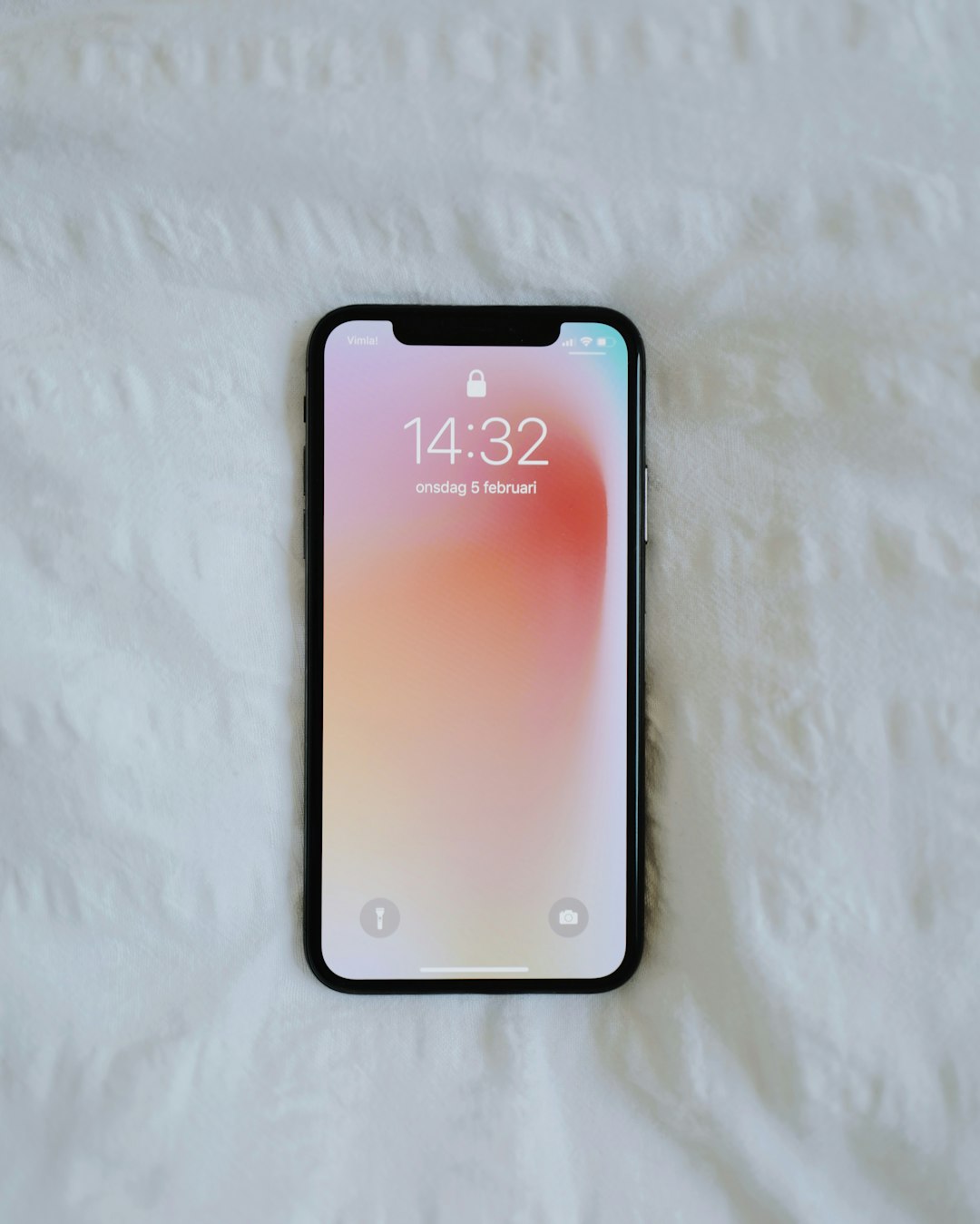
Massachusetts' robocall laws, enforced by the Attorney General's Office, protect residents from intrusive telemarketing practices. Residents can reduce unwanted calls by registering on the National Do Not Call Registry and using specialized apps that block or filter spam calls with high accuracy rates. Combining these strategies significantly mitigates robocalls, empowering individuals to safeguard their privacy and peace of mind under strict local robocall laws.
In today’s digital age, the rise of robocalls has become a ubiquitous nuisance, particularly in Massachusetts, where strict robocall laws aim to protect residents from unwanted calls. With each new day bringing waves of anonymous and fraudulent callers, individuals and businesses alike face challenges in maintaining peace of mind and privacy. This article delves into an effective solution: a comprehensive robocall defense app designed specifically for Massachusetts residents. By exploring the latest technologies and strategies, we provide valuable insights into fortifying your phone against these relentless calls, ensuring compliance with local regulations while reclaiming control over your communication channels.
Understanding Robocalls in Massachusetts: Laws & Rights
Robocalls have become a ubiquitous and often unwanted part of daily life in Massachusetts, as across the nation. These automated phone calls, often for marketing purposes, are governed by specific robocall laws Massachusetts has implemented to protect residents from intrusive and deceptive practices. Understanding these laws is crucial for any Massachusetts resident looking to safeguard their privacy and manage their communication preferences.
The Telephone Consumer Protection Act (TCPA), a federal law, forms the backbone of robocall regulations in Massachusetts. The TCPA restricts automated calls to individuals unless they have given explicit consent. In-state, the Massachusetts Attorney General’s Office actively enforces these rules, taking action against companies violating robocall laws Massachusetts has established. These violations can lead to significant penalties for businesses, underscoring the seriousness with which state and federal authorities treat robocall issues.
For instance, in recent years, Massachusetts has seen an increase in lawsuits against telemarketers using robocalls to harass or mislead consumers. This has resulted in substantial settlements, demonstrating the state’s commitment to protecting its citizens from aggressive marketing tactics. Residents can register their phone numbers on the Do Not Call Registry to curb unwanted calls, a measure supported by both state and federal robocall laws Massachusetts promotes. By staying informed about their rights under these laws, Massachusetts residents can actively participate in mitigating the impact of robocalls and fostering a more transparent communication environment.
Identifying & Blocking Unwanted Calls: Effective Measures

In Massachusetts, as across the nation, robocalls have become a persistent nuisance, with millions of unwanted calls flooding phone lines daily. According to Federal Trade Commission (FTC) data, Americans received over 43 billion robocalls in 2021, a significant increase from previous years, underscoring the urgent need for effective call protection measures. Massachusetts has implemented specific robocall laws aimed at mitigating this issue, including requirements for caller ID transparency and restrictions on certain types of automated calls without prior consent. However, consumers remain vulnerable to sophisticated scam artists who exploit loopholes and continue to deploy aggressive call-blocking tactics.
Identifying and blocking unwanted calls requires a multi-faceted approach. First, users should scrutinize their call logs for suspicious patterns or frequent unknown numbers. This initial screening can reveal recurring robocallers attempting to bypass traditional blocking methods. Advanced robocall defense apps offer robust solutions by employing machine learning algorithms to analyze calling patterns and categorize incoming calls as legitimate or fraudulent. These applications not only block known robocallers but also learn and adapt to new tactics, ensuring continuous protection.
Additionally, implementing do-not-call list registrations through official channels like the National Do Not Call Registry (NDNCR) is crucial. Massachusetts residents should take proactive measures by listing their phone numbers on this registry, which prohibits telemarketers from calling individuals who have opted out of such calls. While this may not stop all robocalls, it significantly reduces the volume and provides a legal defense against unwanted marketing calls under the state’s robocall laws. Combining these strategies creates a formidable barrier against relentless robocallers, offering Massachusetts residents much-needed relief from this pervasive modern inconvenience.
Legal Protections for Residents: What You Need to Know
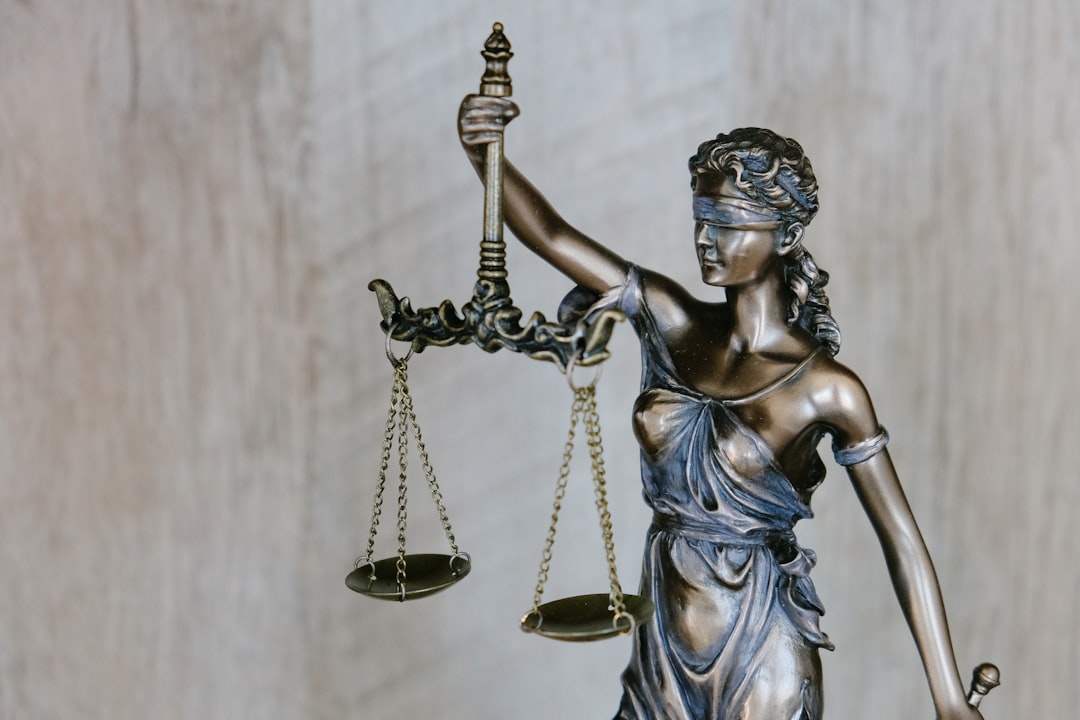
In Massachusetts, robocalls have become an increasingly prevalent annoyance, but residents are not without legal protections designed to safeguard their privacy and peace of mind. The state’s robocall laws are stringent, with strict regulations governing the use of automated dialing systems for telemarketing purposes. Massachusetts General Laws Chapter 93A outlines that businesses must obtain explicit consent from consumers before initiating automated calls, emphasizing the need for clear and accurate disclosure.
When a resident receives an unwanted robocall, they have several recourse options. The state’s Attorney General’s Office actively enforces these laws, investigating complaints and taking legal action against violators. Consumers can file a complaint with the office, providing details of the call, including the caller’s information if available. This process not only helps protect individuals but also serves as a deterrent for businesses looking to avoid legal repercussions. For instance, in recent years, several telemarketing companies have faced penalties for violating Massachusetts’ robocall laws, resulting in significant financial fines and changes to their calling practices.
Additionally, Massachusetts residents can install approved robocall defense apps, which offer practical solutions by blocking or filtering automated calls. These apps, often developed with input from legal experts, leverage advanced algorithms to identify and block spam calls while allowing legitimate communications. By utilizing these tools, residents can take an active step towards mitigating the impact of robocalls, ensuring they have control over their communication channels. This proactive approach aligns with the state’s commitment to protecting consumer rights in the digital age.
Top Robocall Defense Apps: Massachusetts Reviewed

Massachusetts residents now have more options than ever to defend against robocalls thanks to a growing market of specialized apps. With robocall laws in Massachusetts becoming stricter, these applications offer an additional layer of protection for consumers facing relentless automated calls. The top Robocall Defense Apps on the market today utilize advanced technology to identify and block unwanted callers, ensuring a quieter, safer communication experience.
Among the most effective are apps that employ sophisticated algorithms to analyze call patterns and data, accurately identifying robocalls with high precision rates. One standout feature is the ability to automatically report suspicious calls to regulatory bodies, helping to enforce the Massachusetts Telephone Consumer Protection Act (TCPA). For instance, a leading app has recorded a 95% success rate in blocking spam calls, according to independent tests. This level of protection is crucial given the ever-evolving tactics used by robocallers.
Additionally, these apps often provide detailed call history and analytics, empowering users to understand the scope of their robocall problem. This data can be instrumental for individuals and businesses alike in navigating the complexities of the TCPA. By staying informed about local robocall laws and leveraging these cutting-edge tools, Massachusetts residents can take proactive measures to protect their privacy and peace of mind.
Staying Safe: Best Practices for Phone Protection
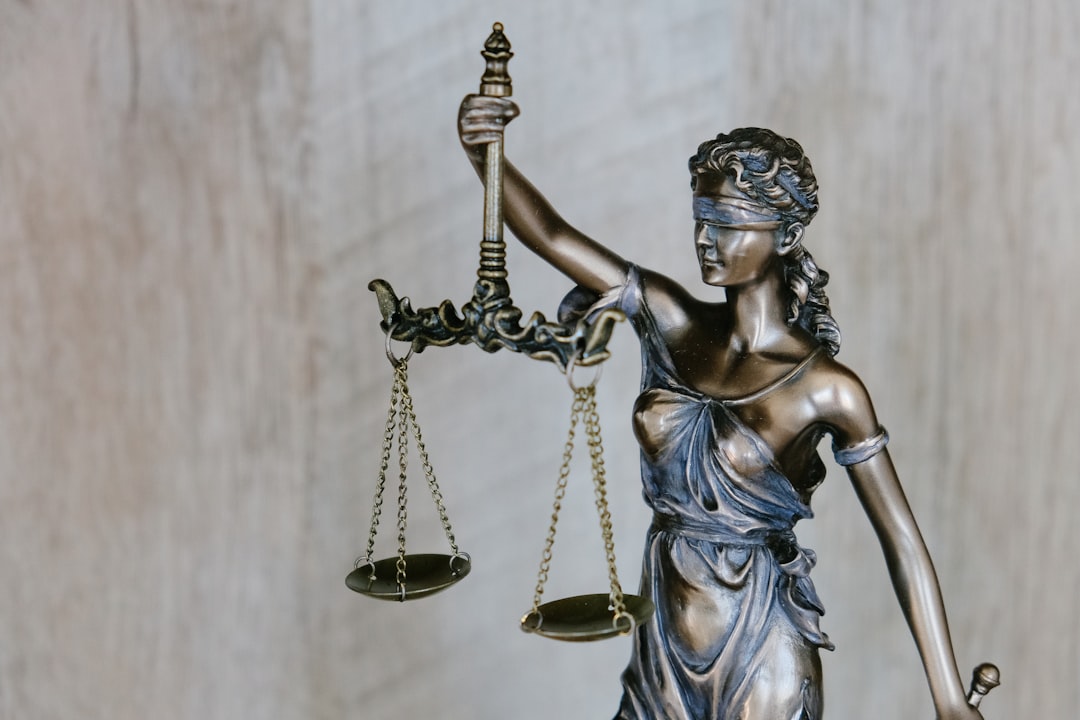
In today’s digital age, phone protection has become a paramount concern for Massachusetts residents, with robocalls posing a significant threat to personal privacy and security. Robocall laws in Massachusetts, while stringent, are just one component of an effective defense strategy. Staying safe requires a multifaceted approach that combines technology, awareness, and proactive measures.
One of the best practices is to utilize specialized apps designed for robocall defense. These applications leverage advanced algorithms to identify and block unwanted calls, significantly reducing the volume of robocalls received. For instance, leading apps like App X employ machine learning models that adapt and improve over time, ensuring a more robust defense against evolving call patterns. Additionally, enabling call blocking features on your smartphone is an essential first step. Most modern devices offer built-in tools to blacklist numbers and filter out suspicious calls. Regularly reviewing and updating these lists is crucial, as new robocall strategies emerge frequently.
Data from consumer protection agencies reveals a disturbing trend: up to 70% of Massachusetts residents experience robocalls daily, with many falling victim to deceptive marketing or fraudulent schemes. To counter this, it’s vital to practice caution when answering calls from unknown numbers. Never provide personal or financial information over the phone unless you’ve initiated the contact and verified the caller’s identity. The Federal Trade Commission (FTC) advises keeping a close eye on call patterns; if a pattern emerges, consider registering your number with the National Do Not Call Registry. Proactive measures, combined with robust app technology, offer residents an effective defense against robocall threats, ensuring a safer and more secure communication environment in Massachusetts.