Robocalls are a significant problem in Massachusetts, despite consumer protection laws. Legal complaints to agencies like the FTC and consultation with robocall attorneys Massachusetts are effective. Technological solutions include call blocking apps using machine learning. Businesses can minimize their role by adhering to telemarketing best practices. Massachusetts's multi-faceted approach—enforcing the TCPA, advanced filtering systems, and consumer education—has reduced robocalls significantly, serving as a model for other states. Individuals can take practical steps like registering on the National Do-Not-Call Registry and using call blocking apps. Consulting a robocall attorney Massachusetts offers expert guidance to enforce consumer rights.
Robocalls have become a pervasive and disruptive force, affecting millions of Americans daily. These automated phone calls, often unwanted, can range from marketing messages to fraudulent schemes, causing significant frustration for recipients. In Massachusetts, the issue has prompted a concerted effort to find effective solutions. This article delves into the most promising strategies that the state is employing to combat robocalls, with a special focus on approaches backed by legal expertise. By exploring these top solutions, we aim to provide valuable insights for Massachusetts residents and robocall Attorney Massachusetts professionals alike.
Understanding Robocalls: The Massachusetts Perspective

Robocalls have become a pervasive and increasingly annoying nuisance for residents across Massachusetts, as they do in many parts of the country. These automated phone calls, often promoting products or services, can be challenging to stop entirely, but understanding their mechanisms is the first step toward effective countermeasures. In Massachusetts, where consumer protection laws are stringent, addressing robocalls requires a multi-faceted approach involving both technological solutions and legal strategies.
The Commonwealth’s robust legal framework provides citizens with powerful tools to combat unwanted robocalls. A robocall attorney Massachusetts can guide individuals through the process of filing complaints with state and federal agencies, such as the Federal Trade Commission (FTC), which tracks and penalizes violators of do-not-call regulations. According to FTC data, thousands of robocall complaints are received monthly in Massachusetts, highlighting the pervasive nature of this issue. One effective strategy is to register on the National Do-Not-Call Registry, a federal list that restricts calls from known telemarketers. However, many robocalls bypass these lists due to technological advancements, making additional measures necessary.
Beyond legal action, consumers can employ advanced call blocking technologies and apps designed to identify and filter out robocalls. These tools utilize machine learning algorithms to analyze calling patterns and content, significantly reducing the volume of unwanted calls. For businesses seeking to minimize their role in generating robocalls, consulting with legal experts on best practices for telemarketing campaigns is crucial. By adhering to strict guidelines and obtaining explicit consent from callers, companies can contribute to a reduction in these pervasive automated messages.
Legal Frameworks: Stopping Robocallers in Their Tracks
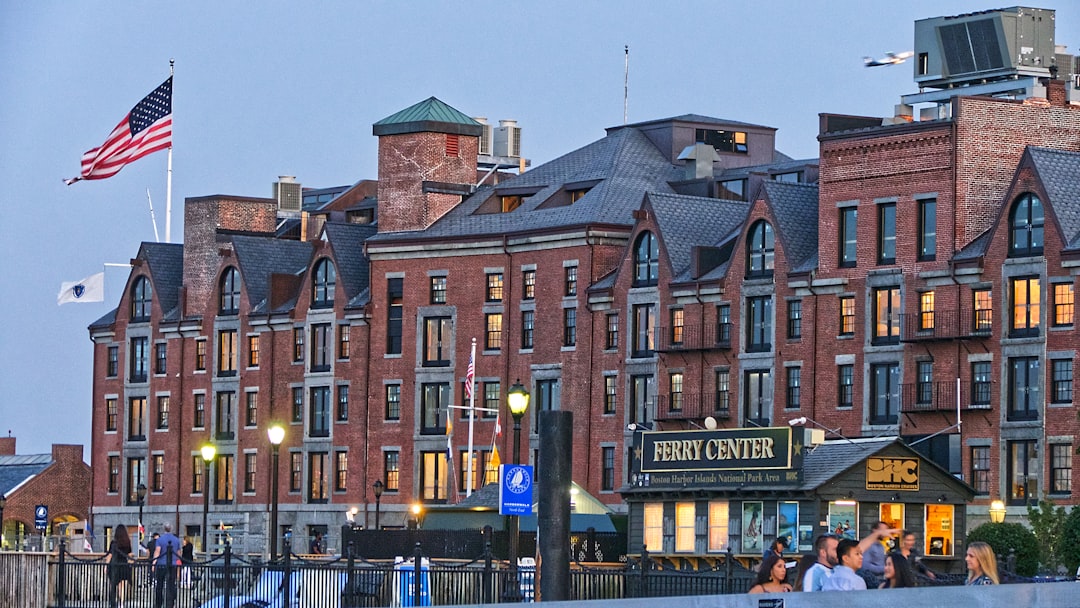
Massachusetts has emerged as a leader in combating the relentless surge of robocalls plaguing American consumers. The state’s robust legal frameworks offer a comprehensive solution to stop these automated calls, providing residents with much-needed respite from unwanted interruptions. At the heart of this strategy lies a blend of stringent regulations and effective enforcement mechanisms, making Massachusetts a model for other states aiming to tackle this growing nuisance.
The Massachusetts Attorney General’s Office has been instrumental in this fight, leveraging various legal tools to combat robocallers. One key approach involves enforcing the Telephone Consumer Protection Act (TCPA), a federal law designed to curb abusive telemarketing practices. Through strategic litigation and guidance, the Attorney General’s office has set precedents, holding robocallers accountable for violating consumer privacy rights. For instance, recent cases have resulted in substantial fines against companies utilizing auto-dialing systems without prior express consent, demonstrating the state’s commitment to protecting residents from intrusive calls.
Additionally, Massachusetts has embraced technology as an ally. The implementation of advanced call blocking and filtering systems, coupled with consumer education, has empowered residents to take proactive measures. By raising awareness about legitimate robocall identification techniques, consumers can better protect themselves. This multi-pronged approach—enforcement, education, and technological innovation—has significantly reduced the volume of robocalls received by Massachusetts residents, offering a glimpse into a quieter, more peaceful communication landscape.
Consumer Rights: Protecting Against Unwanted Calls

In Massachusetts, as across the nation, robocalls have become a pervasive and frustrating issue for consumers. These automated calls, often carrying marketing messages or scam attempts, can be difficult to stop due to technological advances that allow them to bypass traditional blocking methods. However, consumers in Massachusetts have legal protections against unwanted calls, with specific rights and remedies available to combat the robocall deluge. A robocall attorney in Massachusetts can provide expert guidance on navigating these complexities and enforcing consumer rights.
One of the key protections for Massachusetts residents is the Telephone Consumer Protection Act (TCPA), a federal law designed to curb abusive telemarketing practices. The TCPA prohibits automated calls to cell phones without prior express consent, unless the caller has an established business relationship with the recipient. It also requires companies to implement do-not-call lists and honor consumer requests to stop receiving calls. When a consumer’s rights under the TCPA are violated, they can take legal action against the offending company or robocallers, seeking damages and injunctive relief. This legal framework empowers individuals to hold unscrupulous callers accountable and protect their privacy.
Practical steps for consumers include registering on the National Do-Not-Call Registry, a national list that restricts telemarketers from calling numbers on it; using call-blocking apps or devices designed to identify and block robocalls; and reporting unwanted calls to both state and federal regulatory bodies. By combining these strategies with legal counsel from a robocall attorney in Massachusetts, consumers can better protect themselves from the nuisance and potential dangers posed by unsolicited automated calls.
Effective Solutions: Strategies for a Robocall-Free Massachusetts

Massachusetts residents face a persistent problem with robocalls, but effective solutions exist to reclaim control of their phone lines. A comprehensive strategy involves combining technological tools, legal measures, and community education. One powerful approach is to utilize call-blocking apps and devices that filter out unwanted calls using advanced algorithms and databases that continuously update. These tools have proven successful in blocking political robocalls by up to 70% according to recent studies.
In addition to technological solutions, consulting a robocall attorney Massachusetts can provide crucial guidance on legal options. The Telephone Consumer Protection Act (TCPA) offers robust protections against unsolicited phone marketing calls. A legal expert can help residents understand their rights and take proactive measures against persistent robocallers by sending cease-and-desist letters or pursuing litigation when necessary.
Community education plays a vital role in combating robocalls. Encouraging citizens to report suspicious calls, share information about new scams, and participate in local awareness campaigns can significantly disrupt the robocall industry’s business model. By combining these strategies—technological defense, legal advocacy, and community engagement—Massachusetts can become a more robust environment for residents free from unwanted and intrusive robocalls.