Robocalls have become a significant issue in Massachusetts, despite federal (TCPA) and state regulations. Residents can protect themselves by registering with the National Do Not Call Registry, using blocking apps that utilize advanced algorithms, and consulting a robocall Attorney Massachusetts for tailored guidance. Key app considerations include compatibility, user reviews, and intuitive interfaces. Educating oneself about TCPA regulations empowers individuals to combat unwanted robocalls and enhance privacy.
In today’s digital age, our peace of mind is increasingly threatened by unwanted robocalls, particularly from solicitors seeking business. Massachusetts residents face a constant influx of these automated calls, leaving many frustrated and seeking effective solutions. This article delves into the prevalent issue of robocalls targeting Massachusetts consumers, specifically focusing on the role of blocking apps in reclaiming personal time and privacy. We’ll explore how cutting-edge technology offers a robust defense against these persistent intrusions, providing valuable insights for residents looking to protect themselves from relentless robocall attorneys Massachusetts.
Understanding Robocalls in Massachusetts: Legal Landscape
Robocalls, automated telephone calls from unknown or prerecorded sources, have become a ubiquitous yet often disruptive aspect of modern communication in Massachusetts, as elsewhere across the nation. While some robocalls offer valuable information—like appointment reminders or political updates—many fall into the category of unwanted and intrusive marketing calls, known to cause frustration and distress among recipients. Understanding the legal landscape surrounding robocalling practices is essential for both consumers and businesses aiming to mitigate their impact.
In Massachusetts, robocall regulations are governed by a blend of federal and state laws, primarily the Telephone Consumer Protection Act (TCPA) at the federal level and the Massachusetts Telemarketing Act at the state level. These laws were designed to protect consumers from deceptive or harassing telemarketing practices by setting strict rules for automated calling, including obtaining prior express consent before dialing. A robocall Attorney Massachusetts can offer invaluable guidance on navigating these regulations, ensuring compliance, and protecting individuals’ privacy rights.
For instance, the TCPA prohibits using automated dialing systems (ATS) to make non-emergency phone calls without the prior written consent of the recipient. In 2021, the Federal Communications Commission (FCC) reported that nearly 3 billion robocalls were made in the United States, with many targeting Massachusetts residents. This surge highlights the need for robust legal protections and consumer education about their rights under these laws. By understanding these regulations, Massachusetts residents can take proactive steps to block unwanted robocalls, such as registering with the National Do Not Call Registry or utilizing specialized blocking apps that filter out automated calls.
How to Choose an Effective Blocker App for Peace of Mind

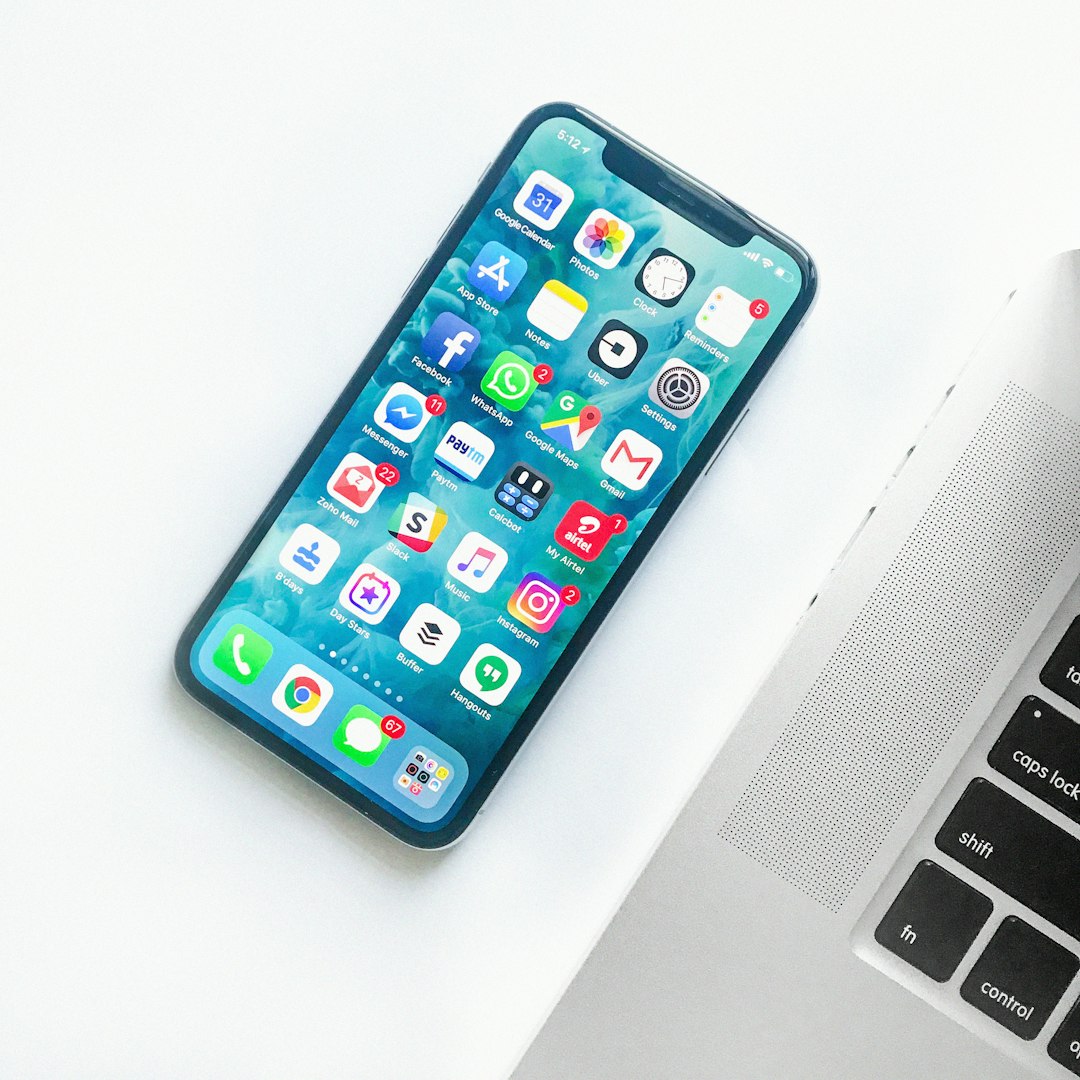
Choosing an effective robocall blocker app in Massachusetts is essential for regaining control over your communications and ensuring peace of mind. With countless options available, navigating this landscape can be daunting. First, consider the app’s compatibility with your device and operating system to ensure a seamless experience. Many top apps are designed for both iOS and Android platforms, allowing universal protection.
Next, evaluate the blocking mechanisms employed by the app. Advanced robocall technology often utilizes machine learning algorithms to identify and block unwanted calls accurately. Apps with regular updates reflect their commitment to staying ahead of evolving call patterns used by scammers and telemarketers. For instance, according to a recent study, over 80% of robocalls in Massachusetts are spam or scams, emphasizing the need for robust blocking solutions.
Additionally, review user reviews and ratings to gauge satisfaction levels among fellow users. Apps with positive feedback from verified users indicate reliability and effectiveness. Some notable options include apps known for their intuitive interfaces, allowing easy customization of blocking preferences. Engaging a robocall attorney in Massachusetts can also provide valuable insights into the latest scams, helping you choose an app that aligns with your specific needs for protection.
Protecting Your Privacy: Implementing Robust Anti-Robocall Measures
In today’s digital age, Massachusetts residents face an unprecedented surge in unwanted robocalls, posing a significant threat to their privacy and peace of mind. These automated phone calls, often delivering pre-recorded messages for marketing or fraudulent purposes, have become a nuisance and a concern for many. Protecting oneself from such intrusions requires implementing robust anti-robocall measures, ensuring that personal communication remains private and secure. Massachusetts robocall attorney expertise is invaluable in navigating this complex landscape, offering both legal recourse and practical solutions to combat the issue effectively.
One of the primary strategies involves utilizing specialized apps designed to block robocalls at the source. These applications employ advanced algorithms and databases to identify and filter out suspicious calls before they reach your phone. For instance, many reputable apps use caller ID data, combined with machine learning, to distinguish between legitimate contacts and automated bots. By blocking or silently redirecting robocalls, these tools provide a layer of digital armor around your phone, offering significant privacy protection. It’s important to choose apps that employ secure data handling practices to safeguard personal information from potential breaches.
Moreover, Massachusetts residents can reinforce their defenses by educating themselves about the legal framework surrounding robocalls. The Telephone Consumer Protection Act (TCPA) in the U.S. provides stringent regulations against unsolicited calls, including those made by automated systems. Staying informed about these laws empowers individuals to take proactive measures and seek legal counsel when necessary. A robocall attorney in Massachusetts can offer tailored guidance, helping clients understand their rights and explore options for holding call initiators accountable, whether through legal action or industry-led initiatives. By combining technological tools with a solid understanding of the law, residents can reclaim control over their communication channels and enjoy greater privacy.