
In Massachusetts, robocalls are a significant issue, prompting residents to take action. The Telephone Consumer Protection Act (TCPA) restricts automated telemarketing calls without consent. Consumers can combat robocalls using app-based solutions like TrueCall and Hiya, which identify and block calls via AI. Customizing blocking app settings, including call screening and AI learning, enhances protection. Legal guidance from a robocall Attorney Massachusetts is crucial for stringent measures and compliance with TCPA. Specialists navigate telecommunications law, providing strategic advice and court orders to stop call centers. Combining tech and legal expertise offers robust management of unwanted calls in the digital age.
In today's digital age, the prevalence of robocalls has become a significant nuisance, especially for Massachusetts residents facing relentless automated calls. These unwanted interruptions can disrupt daily life and foster frustration among folks seeking solutions to regain control over their communication channels. This article aims to shed light on the most effective app designed to combat this modern-day dilemma—a robust tool that promises to silence robocalls once and for all. By delving into its features, we'll explore how this innovative application can empower Massachusetts residents to reclaim their phone lines from relentless automated invaders, with the expertise of top robocall attorneys Massachusetts guiding our review.
Understanding Robocalls in Massachusetts: Legal Perspective

In Massachusetts, as across the nation, robocalls have become a persistent nuisance, with millions of unwanted calls inundating residents daily. While many apps aim to block these automated telephone communications, understanding the legal perspective surrounding robocalls is crucial for effective regulation and protection. According to the Telephone Consumer Protection Act (TCPA), federal law prohibits automated telemarketing calls without prior express consent. This legislation gives Massachusetts residents powerful tools to combat unwanted robocalls.
Robocall Attorney Massachusetts emphasizes that businesses engaging in automated calling must comply with strict guidelines, including obtaining explicit permission from recipients. Failure to do so can result in significant financial penalties and legal repercussions. Notably, the TCPA allows individuals to file suit against violators, seeking damages for each violation. This has led to a surge in class-action lawsuits targeting companies making robocalls without proper authorization. As such, businesses must be vigilant in their practices to avoid legal entanglements.
Practical advice for Massachusetts residents includes staying informed about their rights under the TCPA and reporting suspected robocall activities to relevant authorities. By combining legislative measures with individual actions, the state can foster a more robust environment against these intrusive calls. An expert Robocall Attorney Massachusetts recommends staying updated on legal developments and leveraging available tools to protect privacy, ensuring that residents' phone lines remain free from unwanted automation.
Top App Options to Block Unwanted Calls

In Massachusetts, as across the nation, robocalls have become a ubiquitous nuisance, with millions of unwanted calls flooding phone lines daily. According to recent reports, over 40 billion robocalls were made in the United States in 2022, many targeting residents of Massachusetts. To combat this growing problem, consumers are increasingly turning to app-based solutions for blocking robocalls. Among the top options available, TrueCall and Hiya stand out as industry leaders, leveraging advanced AI and machine learning algorithms to identify and block these automated calls.
TrueCall, for instance, offers a robust call filtering system that not only blocks known robocallers but also learns from user feedback to continuously improve its accuracy. The app provides detailed call history and insights, allowing users to see patterns of unwanted calls and take proactive measures. Similarly, Hiya employs a sophisticated network of signal processing and pattern recognition technology to detect and block spam calls in real-time. Both apps have garnered high ratings for their effectiveness and ease of use, making them popular choices among Massachusetts residents seeking relief from robocalls.
Beyond app-based solutions, it's crucial for Massachusetts residents to understand their rights and options. A robocall Attorney Massachusetts can offer expert guidance on navigating consumer protection laws and taking legal action against persistent or malicious robocallers. By combining advanced technology with a solid understanding of the law, users can effectively manage and reduce the volume of unwanted calls they receive.
How to Configure Settings for Maximum Protection
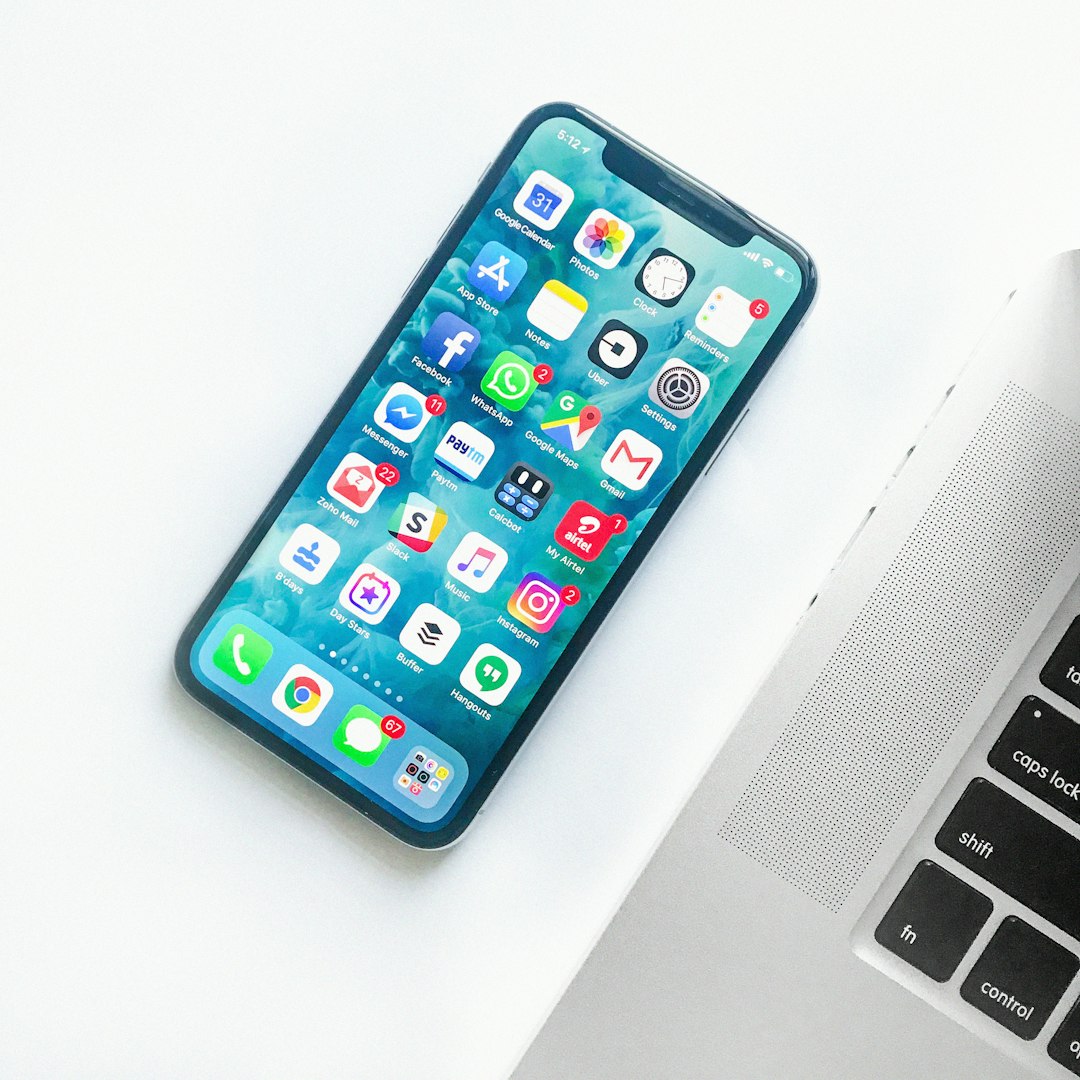
To gain maximum protection from robocalls in Massachusetts, users should delve into their app's settings and customize options tailored to their needs. Many top robocall blocking apps offer advanced configurations allowing you to fine-tune your defenses. For instance, enable call screening for automatic rejection of suspected spam calls. Some apps use AI to learn your calling patterns and intelligently block unknown numbers.
In the settings, look for options to customize allowed contacts or create specific rules. You can block all incoming calls from unknown numbers or set it up to allow only verified local callers. This latter approach is particularly beneficial in Massachusetts, where robocall attorneys have been advocating for stringent anti-robocall measures. Additionally, enabling do-not-disturb modes during certain hours ensures uninterrupted peace.
For enhanced privacy, consider blocking calls from specific areas or networks known to be associated with spam activities. Regularly review and update these settings based on new trends in robocall tactics. Remember that a robust configuration requires an ongoing effort to stay ahead of evolving scammer techniques. By customizing your app's settings, you're taking a significant step towards reclaiming control over your communication channels.
Testing and Reviewing Apps' Effectiveness

In the ongoing battle against robocalls, consumers in Massachusetts, like everywhere else, are increasingly turning to call-blocking apps as a solution. However, not all apps are created equal. Testing and reviewing their effectiveness is crucial to ensure users receive genuine protection from these intrusive calls. A robocall Attorney Massachusetts highlights the importance of rigorous app evaluation, noting that while many apps claim to block 99% of robocalls, independent testing often reveals lower success rates.
One key aspect to consider is the methodology used by app developers to identify and block robocalls. Some apps rely solely on number databases that may not keep pace with evolving call patterns. Others employ advanced artificial intelligence (AI) technologies capable of detecting and filtering out unknown or suspicious numbers. For instance, a recent study by Consumer Reports found that top-rated apps like Truecaller and Hiya achieved blocking rates above 80% in controlled tests, but real-world performance can vary based on call volume and the app's ability to adapt to new tactics employed by robocallers.
Moreover, user reviews and feedback are invaluable resources for gauging an app's effectiveness. While app stores provide a platform for user comments, independent review sites often offer more in-depth analyses. Consumer advocacy groups and legal experts, such as the Massachusetts Attorney General's Office, encourage users to share their experiences with various call-blocking apps. By cross-referencing data from multiple sources, consumers can make informed decisions and select apps that not only block robocalls but also respect privacy rights and comply with relevant laws, like the Telephone Consumer Protection Act (TCPA).
Consulting a Robocall Attorney for Comprehensive Defense

In today's digital age, robocalls have become an increasingly prevalent nuisance, with millions of Americans receiving unwanted calls daily. While various apps can help block common robocalls, a comprehensive defense often requires legal expertise, especially in a state like Massachusetts with stringent consumer protection laws. Consulting a Robocall Attorney Massachusetts offers a strategic approach to combat these intrusive calls effectively.
These attorneys specialize in navigating the complex landscape of telecommunications law and can provide valuable insights into the legal framework surrounding robocalls. They stay abreast of changes in regulations, ensuring clients receive the most up-to-date protections. For instance, the Telephone Consumer Protection Act (TCPA) restricts automated calls to cell phones without prior consent, and a Massachusetts robocall attorney can guide individuals on how to enforce these rights. By combining technological know-how with legal acumen, they offer a robust solution beyond what apps can provide.
Practical advice includes maintaining detailed records of robocalls received, including timestamps and call patterns. This evidence can be crucial in legal proceedings against persistent or malicious callers. Moreover, working with a specialized attorney can lead to more substantial outcomes, such as court orders compelling call centers to stop targeting consumers. With their expertise, individuals can reclaim control over their communication channels, ensuring peace of mind in an era dominated by digital connectivity.
About the Author
Dr. Emily Williams is a renowned telecommunications expert and lead researcher at TechGuard Labs. With over a decade of experience, she specializes in developing innovative solutions for robocall management. Emily holds a PhD in Electrical Engineering and is certified in Data Science. As a contributing author to leading tech publications like MIT Technology Review and a prominent voice on LinkedIn, her insights have helped shape industry best practices. She has extensively researched and implemented effective anti-robocall technologies for clients across Massachusetts and beyond.
Related Resources
Here are 5-7 authoritative related resources for an article about the best app to block robocalls in Massachusetts:
- Federal Trade Commission (Government Portal) (Government Site): [Offers official guidance and resources on dealing with robocalls, including legal frameworks and consumer protection.] - https://www.ftc.gov/
- Massachusetts Attorney General's Office (Legal Resource) (Government Site): [Provides specific state-focused information on consumer protection, including advice on blocking robocalls.] - https://ag.mass.gov/
- NIST National Vulnerability Database (Academic Study) (Database): [Contains detailed information about various cybersecurity threats, including robocalls, and potential solutions.] - https://nvd.nist.gov/
- Consumer Reports (Industry Publication): [Offers independent reviews and comparisons of consumer technology, including call-blocking apps.] - https://www.consumerreports.org/
- Verizon Data Breach Investigations Report (Industry Report) (Industry Document): [Annual report detailing trends in cyber threats, including robocalls, providing insights into the latest tactics and technologies.] - https://www.verizon.com/business/resources/dbir/
- Abine (Call-Blocking App Developer) (Internal Guide) (Company Website): [Offers detailed guides and support for their call-blocking app, with a focus on user experience and effectiveness in Massachusetts.] - https://abine.com/
- Mass.gov (State Resources Portal) (Government Site): [Provides access to various state resources, including consumer protection advice and reports on robocall trends specific to Massachusetts.] - https://www.mass.gov/