Robocalls have become a significant issue in Massachusetts, with nearly half of residents receiving weekly unwanted calls. Massachusetts laws protect against unauthorized and harassing calls, allowing legal action against repeat offenders. Robocall blocking apps use AI and machine learning to identify and block malicious callers, but are not foolproof. Combining technological solutions with legal strategies like the National Do Not Call Registry is recommended. Reporting suspicious calls to law enforcement aids in combating this growing problem. Robocall Lawyer Massachusetts services offer guidance on navigating legal protections and using blocking apps effectively.
In today’s digital era, phone security has become a paramount concern for individuals and businesses alike. One persistent threat, robocalls, has been causing havoc across Massachusetts and beyond, prompting the need for effective countermeasures. These automated calls, often from unknown sources, can carry malicious intent, from identity theft to fraud. As a robust solution, this article delves into the world of robocall blocking apps, specifically tailored for Massachusetts residents, offering a comprehensive guide to enhancing phone security. By exploring cutting-edge technology and legal considerations, we empower users with knowledge, enabling them to protect their privacy like a true robocall lawyer Massachusetts would advise.
Understanding Robocalls: The Massachusetts Legal Perspective

Robocalls, automated telephone calls from computers, have become a pervasive nuisance across Massachusetts and beyond. While many view them as annoying interruptions, these calls can also pose significant security risks to individuals and businesses. A robocall lawyer Massachusetts emphasizes that these messages often contain malicious links or ask for sensitive information, making them a vector for identity theft and fraud. Understanding the legal perspective on robocalls is crucial in navigating this evolving landscape of phone security.
In Massachusetts, telephone harassment laws, such as Chapter 271 of the General Laws, offer protections against unauthorized and harassing calls. These laws permit individuals to take legal action against repeat robocallers, holding them accountable for causing emotional distress or infringing upon privacy rights. A recent study by the Federal Trade Commission (FTC) revealed that 43% of Massachusetts residents received at least one unwanted telemarketing call per week, underscoring the urgency of addressing this issue. Robocall lawyers in Massachusetts play a vital role in helping clients navigate these laws and seek justice when their rights are violated.
Robocall blocking apps have emerged as a popular solution for consumers seeking to mitigate the impact of these unwanted calls. However, it’s important to understand that while these apps can filter out known spam numbers, they do not provide an ironclad defense against robocalls. A robocall lawyer Massachusetts advises clients to stay informed about their rights and consider combining technological solutions with legal strategies. Proactive measures, such as registering on the National Do Not Call Registry and using verified call-blocking apps, can significantly reduce the volume of unwanted calls. In addition, reporting suspected fraudulent or harassing calls to local law enforcement and regulatory bodies is crucial in combating this growing problem.
How Robocall Blocking Apps Work: A Practical Guide
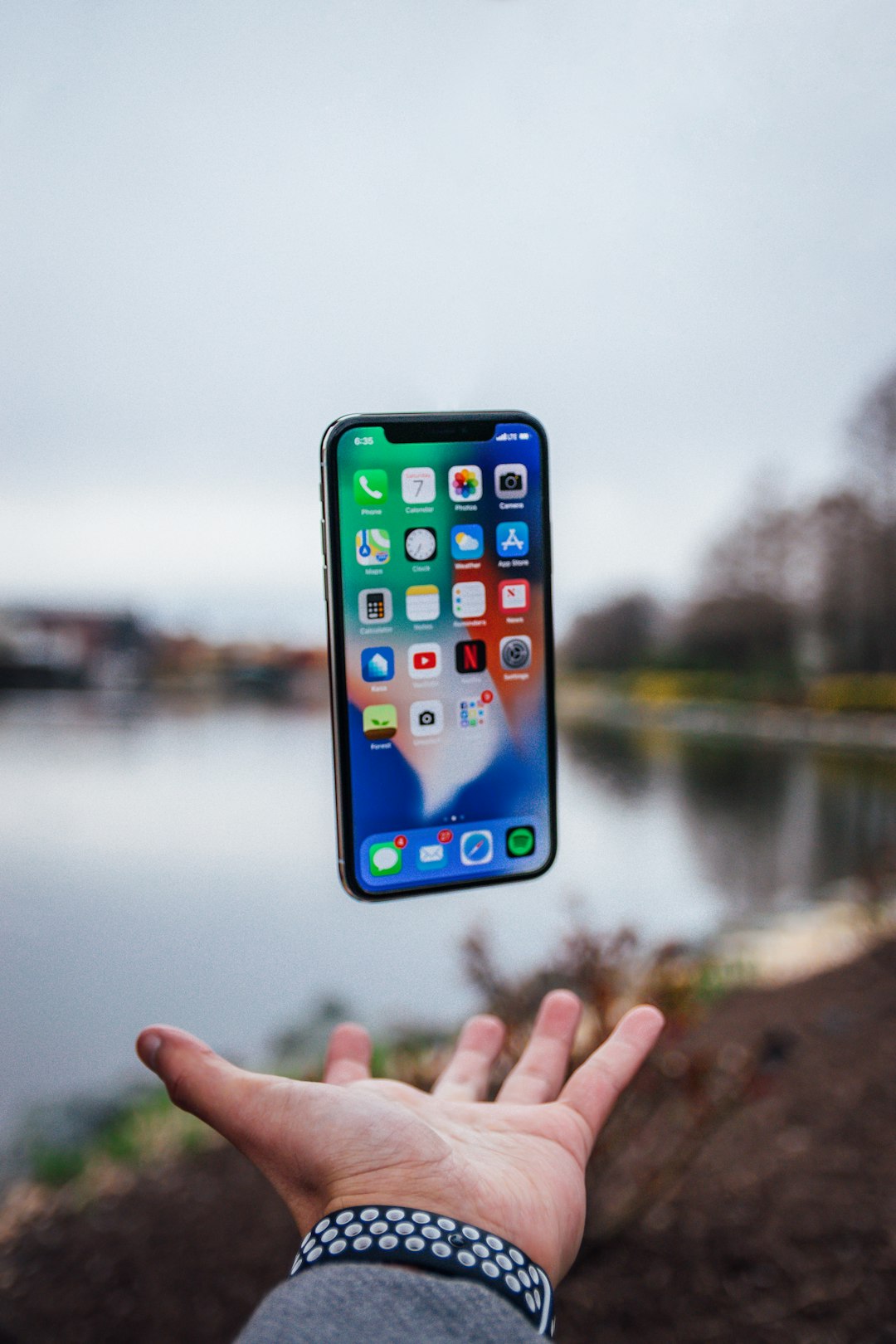
Robocall blocking apps have emerged as a powerful tool for enhancing phone security in Massachusetts, allowing users to combat unwanted and fraudulent calls effectively. These applications work by utilizing advanced algorithms and databases to identify and block automated telephone systems, commonly known as robocalls. When a call comes in, the app analyzes various factors, including caller ID, calling patterns, and data from community-shared intelligence, to determine if it’s a legitimate call or a potential scam. This process involves sophisticated signal processing and machine learning techniques, enabling apps to adapt and improve over time.
At their core, robocall blocking apps operate on two primary levels. Firstly, they prevent unwanted calls from reaching your device by filtering out known spam numbers. This is achieved through regularly updated databases that list known malicious callers. Secondly, some advanced apps employ voice recognition technology to detect and block robocalls even if the caller ID is hidden or spoofed. By analyzing vocal patterns, these systems can identify automated speech synthesis, a common tactic used by scammers. For instance, according to a study by Pew Research Center, over 70% of Americans have received unwanted robocalls, underscoring the urgency for such security measures.
In Massachusetts, where legal protections against robocallers are in place, a robocall lawyer can offer valuable insights into navigating these apps effectively. Expert advice includes keeping blocking software up to date and allowing it access to your call history. Users should also be mindful of granting permissions carefully, as this provides the app with data to improve its accuracy. By combining robust app functionality with legal awareness, Massachusetts residents can take significant steps towards securing their phone lines from intrusive and potentially harmful robocalls.
Enhancing Phone Security: Legal Rights & App Features

In Massachusetts, as across the nation, robocalls have become a pervasive nuisance, with many falling into the category of spam or fraudulent activity. To combat this growing issue, consumers increasingly turn to robust phone security solutions, particularly robocall blocking apps. These applications not only offer relief from unwanted calls but also enhance overall phone security by leveraging advanced technologies like artificial intelligence (AI) and machine learning algorithms to identify and block malicious callers.
Massachusetts residents enjoy legal rights that protect them from intrusive robocalls. The Telephone Consumer Protection Act (TCPA) restricts automated calling and prerecorded messages without prior consent, providing a framework for holding offenders accountable. Moreover, many popular robocall blocking apps are designed with these legal protections in mind, ensuring users can exercise their rights effectively. For instance, apps like TrueCall or NoMo Robo use crowd-sourced data to continuously update call patterns, enabling them to detect and block not only known spam numbers but also emerging threats.
Beyond blocking capabilities, advanced apps often incorporate additional features for enhanced security. These may include caller ID services that display information about incoming calls, allowing users to verify the legitimacy of a caller before answering. Some applications also offer do-not-disturb modes, enabling users to block all calls except those from approved contacts. Furthermore, certain apps provide detailed call analytics, logging and categorizing calls for easier management and security auditing. By combining these features with robust legal protections against robocalls, Massachusetts residents can take a significant step towards securing their communication channels and safeguarding their privacy.