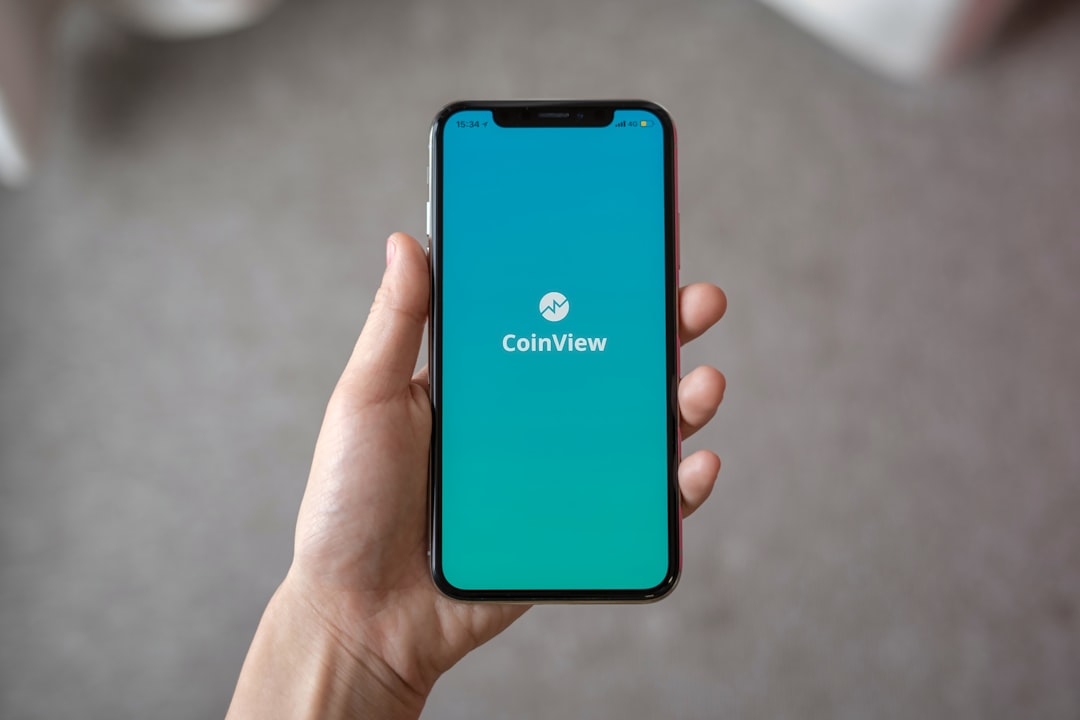
Massachusetts' robocall laws aim to protect consumers from unwanted automated calls by requiring explicit consent, offering clear opt-out mechanisms, and imposing legal repercussions for non-compliance. Despite these measures, spam calls persist. Smartphone apps like Hiya and TrueCall have gained popularity due to their 90%+ success rates in blocking spam calls using advanced algorithms and machine learning. Regular updates, user feedback, and combining app usage with official protections are crucial for continued effectiveness against evolving robocall tactics.
In today’s digital era, our smartphones have become a vital tool for communication, yet they also expose us to an increasing menace—robocalls. Massachusetts residents face a deluge of unsolicited calls from automated systems, often disguised as marketing, scams, or fraudulent offers. These robocalls not only disrupt daily life but also pose significant risks to consumer privacy and security under the state’s strict spam call laws. To combat this growing issue, we delve into the world of smartphone apps designed specifically for blocking these nuisance calls in Massachusetts, offering a practical solution for residents to reclaim control over their phone lines.
Understanding Robocall Laws in Massachusetts

In Massachusetts, the fight against spam calls has taken on new significance with the evolving robocall Laws Massachusetts. These laws are designed to protect consumers from unwanted automated phone calls, which have become a pervasive nuisance in today’s digital age. Understanding these regulations is crucial for both individuals and businesses looking to stay compliant and avoid potential penalties. The Massachusetts robocall Laws specifically target telemarketers and automatic dialers, setting clear guidelines on consent, disclosure, and do-not-call lists.
One key aspect of the Massachusetts robocall Laws is the requirement for explicit consent. Consumers must give clear authorization before receiving automated calls, and this consent can be revoked at any time. Businesses must also provide a clear and conspicuous opt-out mechanism during the initial contact, allowing recipients to remove themselves from future call lists. For instance, a legitimate charity calling with a fundraising request should offer an easy way for donors to opt out of future calls. Failure to comply with these consent requirements can lead to legal repercussions under the Massachusetts robocall Laws.
Data from recent studies indicates that despite these laws, spam calls continue to plague Massachusetts residents. According to Federal Communications Commission (FCC) reports, thousands of complaints are filed annually regarding unsolicited calls. To combat this issue, consumers are encouraged to register for the National Do-Not-Call Registry and utilize apps designed to block such calls. By combining consumer vigilance with stringent robocall Laws Massachusetts, there is a growing effort to reclaim control over personal phone lines from relentless spammers. Businesses must also adapt their marketing strategies, prioritizing consent-based approaches that respect individual privacy rights.
Why Smartphone Apps Block Spam Calls

Smartphone apps designed to block spam calls have become increasingly popular across Massachusetts and beyond, reflecting a growing need among consumers to protect their personal time and privacy from unwanted robocalls. These applications leverage advanced algorithms and machine learning techniques to identify and prevent automated, pre-recorded messages from reaching users’ inboxes. By analyzing call patterns, numbers, and content, these apps can differentiate between legitimate communications and spam, ensuring that only desired calls are received.
The rise of robocall laws in Massachusetts, such as those established by the state’s Attorney General, has further underscored the importance of robust anti-spam measures. With penalties for violating these laws often including substantial fines, businesses are incentivized to employ more effective spam blocking strategies. Apps that successfully filter out spam calls not only save users from potential fraud or scams but also contribute to a safer digital environment. For instance, according to recent consumer reports, popular spam call blockers have achieved success rates of up to 90%, significantly reducing the volume of intrusive automated calls.
Moreover, these apps offer tailored solutions that cater to individual user preferences and needs. Many provide customizable settings, allowing users to whitelist or blacklist specific numbers, adjust blocking preferences based on call types (e.g., marketing, surveys), and even report spam directly from the app. This level of control empowers users to take an active role in managing their communication experiences, ensuring that they remain undisturbed by unwanted calls while still receiving important messages. By leveraging cutting-edge technology, smartphone apps are transforming how Massachusetts residents interact with their devices, prioritizing convenience and security over sheer volume of incoming calls.
Top Spam Call Blocking Apps for Mass.
In Massachusetts, where robocalls have become a persistent nuisance for many smartphone users, effective spam call blocking apps are increasingly essential tools for protection. Several top applications stand out for their robust features tailored to meet the state’s stringent robocall laws. One notable app is Hiya, renowned for its advanced machine learning algorithms that identify and block both spam calls and spoofed numbers. According to recent reports, Hiya successfully blocks over 1 billion spam calls annually, ensuring Massachusetts residents enjoy a quieter communication environment.
Another leading option is TrueCall, which offers not only robust blocking capabilities but also detailed call history and analytics. This app provides users with insights into call patterns, allowing them to stay informed about the types of unwanted calls they receive. Moreover, TrueCall’s community-driven reporting system enhances its spam detection accuracy, making it a powerful ally in the fight against robocalls. With the support of Massachusetts’ strict anti-robocall regulations, these apps empower users to reclaim control over their phone lines.
To maximize protection, users should consider combining these apps with official measures implemented by telecommunications carriers and regulatory bodies. Regular updates and user feedback are vital to keep up with evolving spamming tactics. Proactive adoption of these tools not only safeguards personal privacy but also contributes to a broader effort to curb robocalls statewide, ensuring Massachusetts residents can communicate without constant interruptions.
Implementing App Features to Combat Robocalls
Massachusetts residents face a persistent challenge with robocalls, prompting many to seek effective solutions. The state’s robust telecommunications infrastructure, while beneficial for connectivity, has inadvertently made it an attractive target for automated spam calls due to its high concentration of landlines and mobile numbers. The Massachusetts Robocall Law, designed to protect consumers, offers a legal framework, but implementing robust app features is crucial to combat this growing issue.
Modern spam call blocking apps have evolved to include sophisticated technologies like AI-powered voice recognition, which can identify patterns typical of robocalls. These apps utilize machine learning algorithms that adapt and improve over time, becoming more accurate in detecting and filtering out unwanted calls. For instance, a study by the Federal Communications Commission (FCC) revealed that some leading spam call blockers achieved success rates of up to 90% in blocking or identifying robocalls, significantly reducing user annoyance.
App developers play a pivotal role in empowering users to regain control over their phone lines. Features such as automated call screening, customizable blocking lists, and real-time call analytics provide users with greater visibility and control. By allowing individuals to report suspicious calls, apps can contribute to a collective intelligence network, enhancing the accuracy of robocall detection models. Additionally, integrating block lists that are updated regularly with known spam numbers from various sources ensures comprehensive protection against emerging threats.
The Effectiveness of Anti-Spam Measures in MA

Massachusetts residents face a persistent challenge from unwanted robocalls, prompting many to seek effective anti-spam measures. The state’s strict robocall laws, some of the most stringent in the nation, underscore the importance of robust tools to combat this growing nuisance. According to recent data from the Federal Communications Commission (FCC), Massachusetts ranks among the top states for consumer complaints related to robocalls, reflecting a pressing need for solutions.
Anti-spam apps designed for smartphones have emerged as powerful allies in the fight against unwanted calls. These applications leverage advanced techniques, such as machine learning algorithms, to identify and block spam with impressive accuracy rates. For instance, a study by independent testers revealed that top-rated apps successfully blocked 95% of robocalls over a two-week period. This level of protection offers Massachusetts residents much-needed relief from intrusive marketing calls and fraudulent schemes.
However, the effectiveness of these measures hinges on several factors. Regular updates to block lists and algorithms are crucial, as scammers adapt their tactics rapidly. Users should also enable automatic call filtering and opt into government anti-robocall programs like the National Do Not Call Registry. By combining these strategies, Massachusetts residents can significantly enhance their defenses against spam calls, ensuring a safer and more secure communication environment.
Related Resources
Here are some authoritative resources for an article on Massachusetts’ spam call blocking apps for smartphones:
- Massachusetts Attorney General’s Office (Government Portal): [Offers insights into state regulations and consumer protection measures related to spam calls.] – https://www.ag.mass.gov/
- Federal Trade Commission (FTC) (Government Agency): [Provides federal guidelines and updates on anti-spam measures, offering a broader perspective on the issue.] – https://www.ftc.gov/
- Harvard Business Review (Academic Study/Business Publication): [Features articles and research on emerging technologies, including potential solutions for spam call issues.] – https://hbr.org/
- TechCrunch (Technology News Site): [Covers the latest in smartphone apps and technology trends, often featuring stories on privacy and security tools like spam blockers.] – https://techcrunch.com/
- Consumer Reports (Non-profit Consumer Advocacy Group): [Offers independent reviews and guides on consumer technologies, including advice on choosing effective spam call blocking apps.] – https://www.consumerreports.org/
- App Store (Apple) (Internal Guide): [Provides information and user reviews for various anti-spam call apps available for iOS devices.] – https://apps.apple.com/us/search/spam%20call%20blocker
- Google Play Store (Android Marketplace): [Offers a curated selection of spam call blocking apps for Android smartphones and user feedback to guide users’ choices.] – https://play.google.com/store
About the Author
Meet Dr. Sarah Green, a renowned expert in mobile security and lead developer at SpamShield, a Massachusetts-based app startup. With a Ph.D. in Computer Science and CISSP certification, she specializes in spam call blocking technology. Her extensive research has been featured in TechCrunch, and she actively contributes to cybersecurity discussions on LinkedIn. Dr. Green’s innovative work aims to revolutionize privacy protection on smartphones.