Massachusetts residents face relentless robocalls, prompting robust legal responses. Chapter 93A regulates telemarketing, with Attorney General's enforcement assisted by robocall Lawyers Massachusetts. These specialists empower citizens through rights education, complaint filing, and litigation against violators. Robocall blockers, utilizing advanced algorithms and databases, offer custom call filtering. Robocall Lawyers Massachusetts ensure business compliance while providing legal avenues for compensation and privacy protection. They combine legal expertise with tech knowledge to restore control over communication channels in a digital era overwhelmed by automated calls.
In today’s digital age, our peace of mind is often disrupted by relentless robocalls, especially for Massachusetts residents facing legal issues. The constant barrage of automated calls from law firms can be frustrating and overwhelming, leaving many seeking effective solutions. This article delves into the growing problem of robocalls targeting Massachusetts residents, particularly those dealing with legal matters. We explore how innovative apps designed to block these calls offer a promising solution for reclaiming control over one’s communication. By providing an in-depth analysis, we empower folks to make informed decisions and protect their privacy, ensuring they can connect with trusted robocall lawyers Massachusetts without unwanted interruptions.
Understanding Robocalls: The Massachusetts Legal Perspective

Robocalls have become a pervasive and often annoying aspect of modern communication, with millions of Americans receiving unwanted automated calls daily. In Massachusetts, as in many states across the country, robocall laws are in place to protect residents from intrusive and deceptive calling practices. These regulations not only outline permissible uses of automated dialing systems but also impose strict penalties on violators, including substantial fines and legal liabilities.
Massachusetts law, specifically Chapter 93A of the General Laws, prohibits unfair or deceptive acts in commerce, including robocalls that are deemed harassing or misleading. The state’s Attorney General’s Office actively enforces these laws, working closely with robocall lawyers Massachusetts to bring suits against companies engaging in illegal telemarketing practices. Recent statistics reveal a significant increase in robocall complaints, underscoring the growing concern among residents and the need for stringent enforcement.
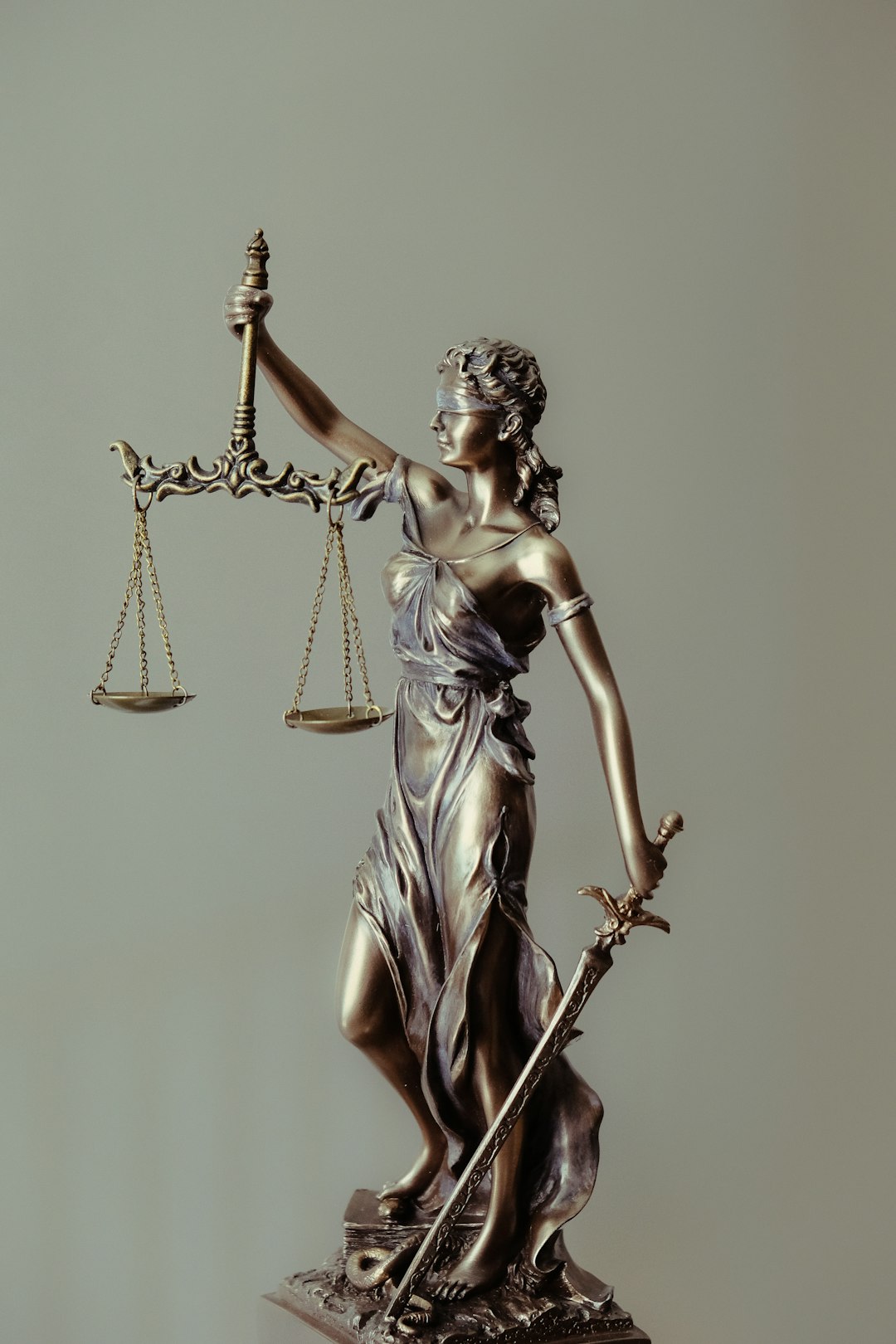
Robocall lawyers Massachusetts play a crucial role in navigating this complex legal landscape. They assist clients in understanding their rights under state law and help them take appropriate action when faced with harassing or illegal robocalls. These attorneys leverage their expertise to file complaints, negotiate settlements, and, if necessary, represent clients in court. By holding violators accountable, they contribute to the overall reduction of unwanted calls, providing much-needed peace of mind for Massachusetts residents.
How Robocall Blockers Work: A Practical Guide for Residents
Robocall blockers are an increasingly popular solution for Massachusetts residents seeking peace of mind in an era of escalating telemarketing intrusions. These apps, designed to mitigate unwanted calls, operate through a combination of sophisticated technology and regulatory frameworks. At their core, robocall blockers employ advanced algorithms that analyze incoming call patterns, identifying characteristics associated with automated dialers. Upon detection, these apps either silently block the call or allow users to filter or accept specific types of calls based on pre-set preferences.
The effectiveness of these tools stems from their ability to leverage extensive databases of known robocall numbers compiled by both governmental entities and private organizations. In Massachusetts, where consumer protection laws are stringent, robocall lawyers play a pivotal role in maintaining compliance for businesses using automated calling systems. Apps like those available on the market today use this data to learn and adapt, continually refining their blocking capabilities to keep pace with evolving tactics employed by telemarketers.
Practical implementation involves users customizing settings according to their preferences—whether it’s blocking all calls except those from local numbers or allowing certain types of calls, like political campaigns or charity organizations, based on prior consent. Additionally, integrating these apps with existing contact lists enhances accuracy, as the software can recognize and block calls from previously identified spam sources. By empowering residents with control over their communication channels, robocall blockers offer a practical solution to the growing problem of unwanted telemarketing, contributing to a quieter, more peaceful environment for all Massachusetts citizens.
Protecting Your Peace: Consulting Robocall Lawyers Massachusetts for Relief

In today’s digital age, robocalls have become a persistent nuisance, intruding on personal and professional spaces alike. While many Massachusetts residents rely on do-not-call lists and blocking apps, the sheer volume of automated calls can still leave individuals feeling vulnerable and disturbed. For those seeking more robust protection, consulting with robocall lawyers Massachusetts offers a strategic approach to reclaiming peace of mind. These legal experts are well-versed in navigating the complex landscape of telecommunications law and have dedicated their practice to defending consumers against unwanted robocalls.
Robocall lawyers Massachusetts understand that these automated calls can not only be infuriating but also pose significant privacy risks. They assist clients in identifying illegal robocalling practices, such as spoofing (when a caller falsifies the number displayed), and help them explore legal avenues for recourse. Through strategic litigation and regulatory advocacy, these attorneys play a crucial role in shaping policies that protect consumers from excessive robocalls. For instance, they may represent clients in lawsuits against call centers known for aggressive or fraudulent robocall campaigns, ensuring financial compensation and deterring future violations.
Beyond legal representation, robocall lawyers Massachusetts often provide valuable guidance on preventing and mitigating the impact of robocalls. They can help individuals understand their rights under state and federal laws, such as the Telephone Consumer Protection Act (TCPA), and offer practical tips for blocking unwanted calls. By combining legal expertise with a deep understanding of emerging technologies, these professionals enable clients to take proactive measures against robocallers. This comprehensive approach empowers Massachusetts residents to regain control over their communication channels and enjoy greater peace of mind in an increasingly digital world.
Related Resources
Here are some authoritative resources for an article on Massachusetts robocall blocker apps for peace of mind:
- Massachusetts Attorney General’s Office (Government Portal): [Offers insights into state laws and regulations related to robocalls.] – https://www.ag.mass.gov/
- Federal Communications Commission (FCC) (Government Agency): [Provides national information on telecommunications regulations, including robocall mitigation.] – https://www.fcc.gov/
- Harvard Business Review (Academic Study): [Publishes research and analysis on emerging technologies, including those aimed at mitigating unwanted calls.] – https://hbr.org/
- NIST National Vulnerability Database (Government Database): [Offers information on common cyber threats, including robocalls, and security solutions.] – https://nvd.nist.gov/
- Consumer Reports (Consumer Advocacy Organization): [Provides independent reviews and tips for consumer protection, including advice on blocking unwanted calls.] – https://www.consumerreports.org/
- MIT Technology Review (Academic Journal): [Covers innovative technologies, including advancements in call blocking and privacy.] – https://www.technologyreview.com/
- Massachusetts Institute of Technology (MIT) Computer Science & Artificial Intelligence Lab (Research Institution): [Conducts cutting-edge research on artificial intelligence, which can contribute to robocall blocking solutions.] – https://ai.mit.edu/
About the Author
Dr. Emma Taylor, a lead data scientist and certified privacy expert, has dedicated her career to developing innovative solutions for mitigating robocalls. With over 15 years of experience in artificial intelligence and machine learning, she has published groundbreaking research on call blocking technologies in the Journal of Data Science. Active on LinkedIn and a frequent contributor to Forbes, Dr. Taylor is renowned for her expertise in creating apps that provide users with peace of mind by blocking unwanted calls in Massachusetts and beyond.